Traditional Asian Medicine
Traditional medicine in India is deeply rooted in ancient history, sharing foundational systems like Ayurveda while maintaining distinct local healing traditions, institutional frameworks, and indigenous practices tailored to their specific regional cultures and biodiversity. While Ayurveda has historically dominated scholarly and clinical attention, other AYUSH systems are also accepted by the community, particularly in certain geographic regions in Nepal, Tibetan and Sri Lanka.
In India formal education in traditional medicine evolved over thousands of years shifting from the Gurukul system (mentor-mentee training system, where knowledge was passed down orally or via apprenticeships within families) to world class ancient Universities, e.g., Nalanda, Taksheela, Vikram Sheela in 3rd century BC to institutionalized university schooling system starting in the early 20th century. In the 20th century, the establishment of the first Ayurveda college in 1908, followed by the creation of regulatory bodies which are formal and legalized by the Act of parliament to bring uniformity in AYUSH education system through NCISM and NCH (formerly known as CCIM and CCH).
The National Commission for Indian System of Medicine (NCISM) and the National Commission for Homoeopathy (NCH) are regulatory bodies established by the Government of India in 2020–2021 to govern traditional and alternative medicine education from the Act 1970 (48 of 1970) has been repealed and all the provisions of the National Commission for Indian System of Medicine (NCISM) has been come into force with effect from of the June 2021. They replaced the older councils – the Central Council of Indian Medicine (CCIM) and the Central Council for Homoeopathy (CCH) – to bring transparency, accountability, and reform to the sector.
Globally, 1978. the World Health Organization (WHO) recognizes Traditional, Complementary, and Integrative Medicine (TCIM) as experience-based health systems that can be aligned with national healthcare frameworks when implemented safely and evidence-based. India’s Ayush integration efforts align with WHO’s Traditional Medicine Strategy 2025–2034, which advocates for rigorous evidence, quality standards, and equitable implementation. It aims to evaluate both achievements and gaps by synthesizing data from national health programs, international collaborations, institutional developments, and public health indicators relevant to traditional medicine.
This review was envisioned to analyse the implementation, scope, and outcomes of Ayush integration into India’s from 2014 to 2024. Ayush services in India are integrated into over 7,000 Primary Health Centres (PHCs), 3,000 Community Health Centres (CHCs), and 460 district hospitals. Around 12,500 health and wellness centers offer blended traditional and modern primary care. In India patients can choose between contemporary medicine and traditional systems within the same public health facility.
The National Commission for Indian System of Medicine (NCISM) is the statutory and regulatory apex body in India. It governs education, practice, and standards for traditional medical systems. The NCISM operates under the Ministry of AYUSH, Government of India, and which operates professionally and legally only in India. While its domestic legal and professional practice framework is centered in India, the Ministry of AYUSH collaborates internationally through academic chairs and global information cells in partnership with organizations like the World Health Organization.
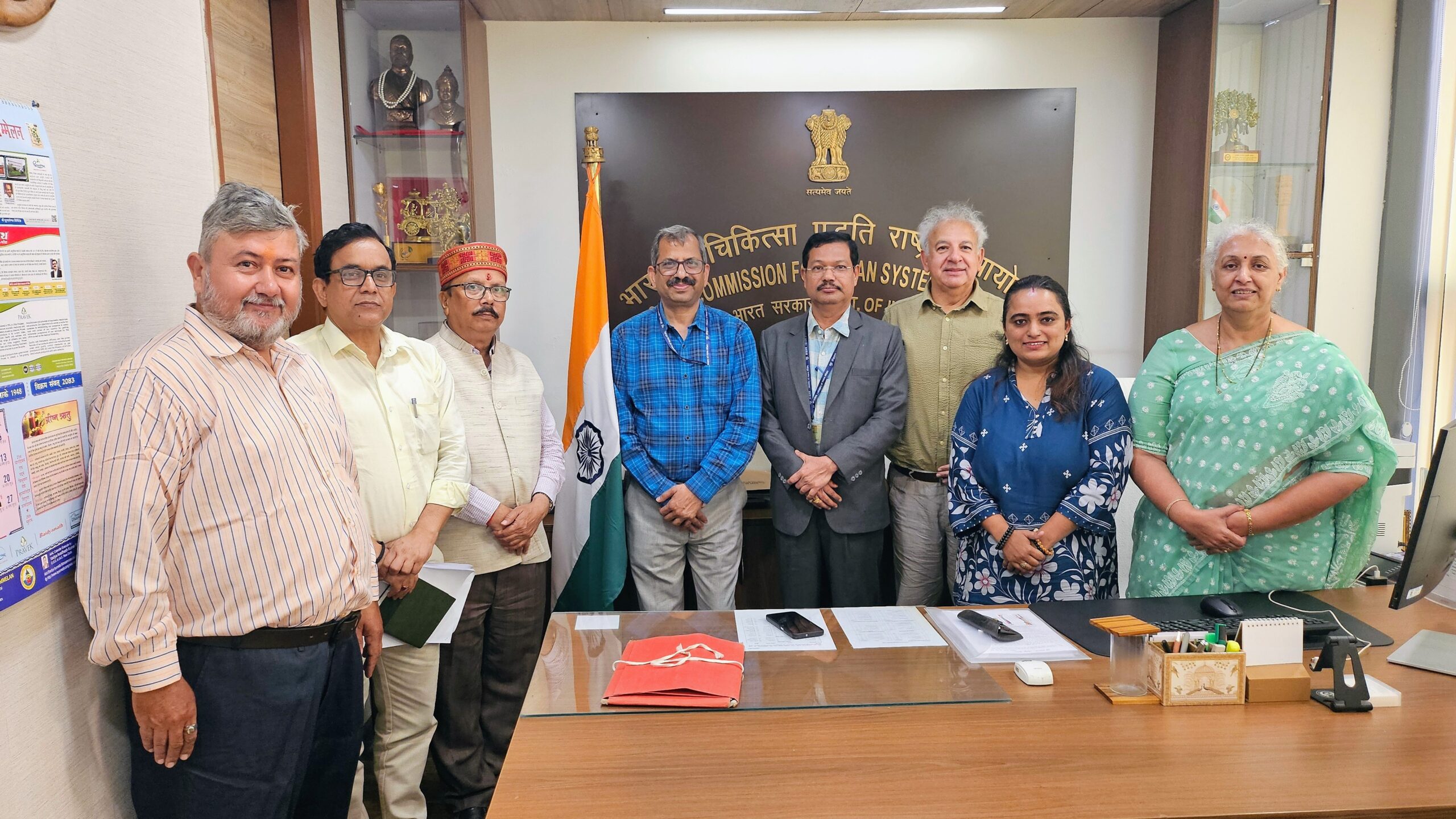
The key work of the NCISM is to improve access to quality medical education and ensure high ethical standards in TCIM. Rashtriya Ayurveda Vidyapeeth (RAV) is an autonomous organization under India’s Ministry of Ayush that operates on the traditional Guru-Shishya (Gurukula) system to preserve and promote classical Ayurvedic knowledge. Vaidya Rajesh Kotecha, Secretary, Ministry of Ayush, has consistently encouraged RAV’s efforts to create platforms for academic exchange and professional development – An Ayurvedic Academy program that is accessible free of charge to students from both India and the global world.
Traditional medicine relies on ancient cultural knowledge, natural herbs, and whole-body balance. Modern medicine uses science, lab tests, pharmaceutical drugs, and surgery. Traditional methods excel at prevention and chronic care, while modern medicine saves lives in emergencies and acute trauma. Traditional medicine from Asian regions is more often described as local wisdom of traditional therapies and remedies – such descriptions are similar and available in every culture and every region around the world.
These traditional medicine practices have been used for thousands of years and are increasingly globalized. While evidence for some of these are evolving, others need further developing and testing. The consumers, clinicians, and policymakers should concern about the effectiveness, costs, and potential adverse events of these practices before using or recommending them. The use of these therapies could also be culture specific, therefore, the evidence of their effectiveness and safety in one culture does not necessarily confirm that these would be effective and safe in all cultures.
Traditional Medicine Practice in East Asia
Traditional medicine practice in East Asia mainly includes Traditional Chinese, Japanese Kampo, and Korean Medicine. The Japanese Kampo and Korean Medicine originated largely from Chinese Traditional Medicine and have well developed in combination with their own cultures and practices. The traditional medicines in China, Japan, and Korea have common and similar elements. They mainly include herbal prescriptions, technical therapies including acupuncture, moxibustion, massage, naprapathy, cupping therapy, various forms of physical therapy, sports therapy (e.g., Taiji, etc.), Qigong, and food therapy, as well as the Integrated Traditional Chinese and Western medicine, which is very popular in China. Chinese Tibetan medicine and Mongolian medicine have their own unique characteristics. Traditional medicine in East Asia has its complete systems of education, practice, research, and special training throughout the country. For example, there are a total of 34 universities of Chinese Traditional Medicine and over 60 thousand major Chinese traditional medicine hospitals in mainland China. Clinical and basic research have shown the significant benefits of traditional medicine in musculoskeletal body pain for pain reduction and improvements in disability, muscle tension, flexibility, anxiety, and pain-causing disease treatment, among others.
Traditional Medicine Practice in South Asia
South Asian traditional medicinal practices have a long history of over 2000 years. It can be argued that these traditional medicinal practices have helped to advance modern Western medicine. South Asia, with a population contains a quarter (30%) of the world’s population include: India, Pakistan, Bangladesh, Nepal, Bhutan, Sri Lanka, the Maldives, and Afghanistan.Topographically, it is dominated by the Indian subcontinent and is bounded by the Indian Ocean in the south, and the Himalayas, Karakoram, and Pamir Mountains in the north form a majestic high-altitude convergence zone in Central and South Asia. Currently, South Asian traditional medicinal practices have undergone globalization and are frequently used in different parts of the world including the Western world. South Asian medicines and therapies include Ayurveda, Yoga, Meditation, Mindfulness, Naturopathy, Homeopathy, Sowa-Rigpa, Siddha, Unani and different herbal medicines specific to different regions and cultures. Some of these, such as meditation, yoga and mindfulness have been extensively studied and are frequently used for several chronic pain conditions, including but not limited to chronic low back pain, neck pain, fibromyalgia, headache, and arthritis. These therapies are also delivered by physical therapists, psychotherapists, occupational therapists and other pain clinicians. Mechanisms of action of herbal medicine, adverse events, and interactions with other herbal products and western medicines, nonetheless, are poorly understood.
Traditional Medicine Practice in South East Asia
Traditional medicine practices in South East Asian region such as Thailand, Malaysia, Indonesia, Laos Myanmar, Vietnam and the Philippines, are influenced by other Asian regions such as East Asian and South Asian regions. These practices have evolved over the years, developed their own philosophy and have now been passed down to many generations. An example of South East Asian traditional medicine is Thai traditional medicine, which includes Thai herbal medicines and traditional Thai massage. A systematic review of the literature on traditional Thai massage for musculoskeletal pain suggests that it is helpful in reducing pain and improving physical disability, muscle tension, flexibility and anxiety. Currently, Thai traditional massage practiced by licensed practitioners has been considered a treatment and is covered by certain health benefit plans. Thai traditional medicine still has a major role in providing health care in Thai society. For example, Thailand currently allows the use of medicinal Cannabis and Kratom in medical practice. Nevertheless, this practice to date is still controversial due to potential long-term harm and risk of abuse, which needs further investigation before integrating it into routine care.
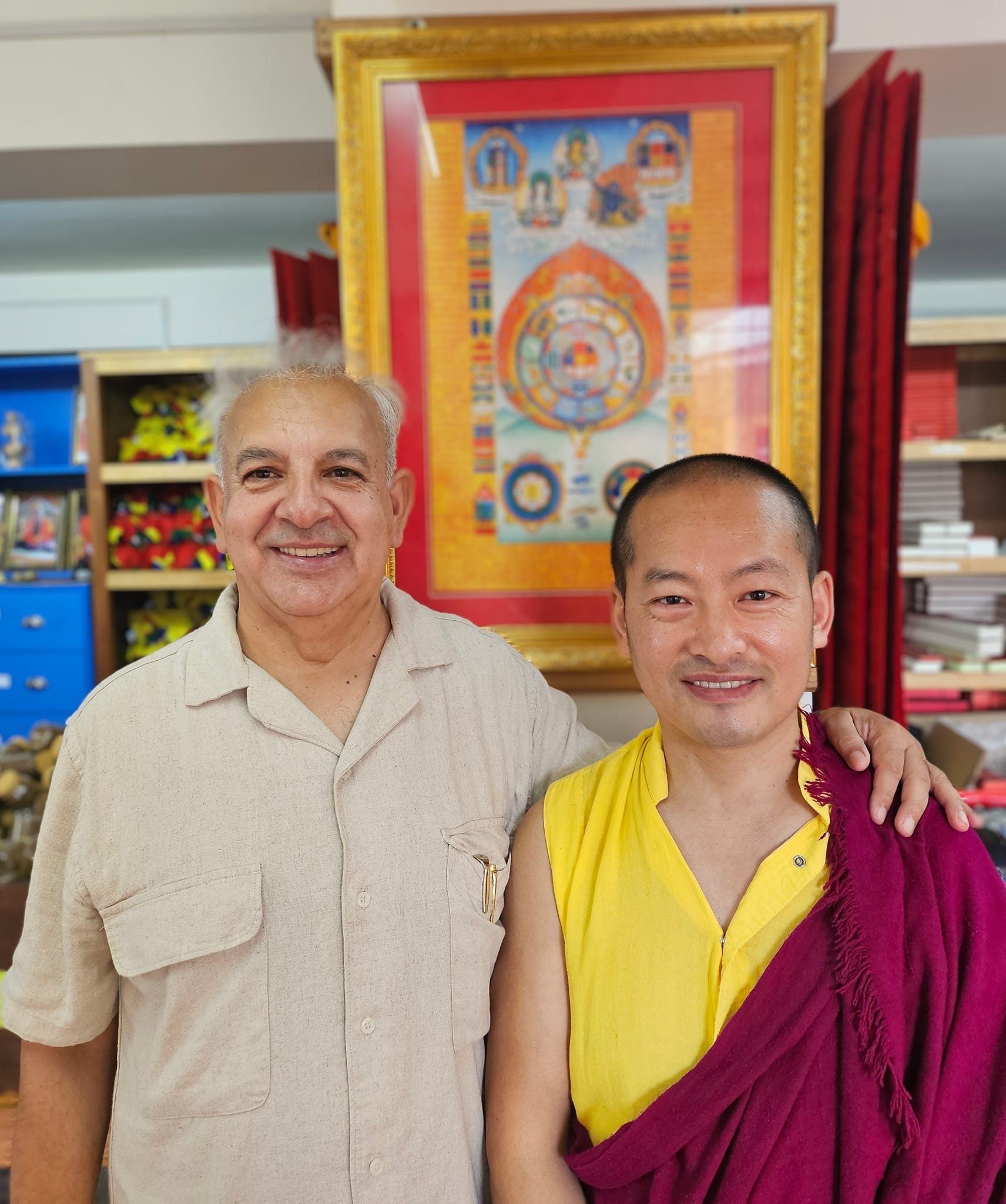
Practicing traditional, complementary and integrative medicine (TCIM) in Europe, providers must combine ancient Eastern practices with the safety, scientific and communication standards expected by modern Western patients.

Traditional, Complementary and Integrative Medicine (TCIM) relies on cultural knowledge passed down through generations, often aligning health practices, educational healing rituals, diagnostic and therapeutic procedures and the use of natural remedies with the changes of the (6) six seasons in the environment of Prana Asia recognized in specific indigenous calendar systems. Todays in the modern age at institutions in Asia where traditional medicine education standardized curriculums is taught are aligned with the (6) six seasons of Asia, time and the rhythms of Prana-Earth. Traditional healing systems view human life as a direct reflection of nature’s cycles. They use the five elements and vital energy to explain how we change from birth to the end of life. Most importantly, practitioners of traditional Asian medicine offering TCIM in Europe know and understand that people in Europe live in a natural Prana environment with (4) four seasons. Western and Asian societies display fundamental divergences across culture, family life, and social structures, primarily anchored in contrasting social philosophies.
Ineffective standardized curricula, and health therapy in Traditional medicine education usually do not correspond to the actual needs in the European environment. An even bigger problem is the provision of medicines together with therapies, which is quite problematic or ineffective. To force something into the metabolism in order to balance the immune system in people, with a different Prana, and at the same time forget the rules of Ayurveda – everything that is in nature in the living environment of people is the best Prana-Health and the coexistence of nature around them (herbs, spices, food…). Dietary and lifestyle rules (Ritucharya) for a certain season valid in Prana (6) six Asian seasons, and advising nutritional guidelines in Europe (4) four seasons is unprofessional and unethical! It is necessary, first of all, to educate the client about preventive health. In case of illness, the joint application of Western and traditional medicine is welcome. This has been proven in modern times by the Traditional Ayurvedic Panchakarma program in India.
The balanced and integrated use of Traditional medicine with Western medicine can provide effective relief for selected chronic pain conditions. Today, the limitations of “standard Western medicine politics” in treating chronic pain are forcing people to use and systematically study traditional medicine for the benefit of Life.
Although traditional medicine has gradually lost its usefulness with the rise of Western medicine, traditional medicine is still practiced in different parts of the world at different levels. The combining Traditional, Complementary, and Integrative Medicine (TCIM) with Western medicine creates a complete approach to health by merging ancient healing wisdom with modern Western science.
Below the following information, I recommend people, organizations and institutions that have a long history of professional and ethical practice of traditional medicine for mental, spiritual and physical health. Also presented here are beekeepers, organic farms, and traditional artisans who make natural goods like honey and ghee play a vital role in supporting human health and sustainable food traditions.
If you are a client of a TCIM practitioner, organization or institution in your local community – not only in Asia but also in Europe – please recommend them by e-mail: info@ayur-ashram.in and We would be happy to connect with you and them. If you are a TCIM practitioner, organization or institution whose work embodies humane values and supports a shared commitment to ethical conduct, please also contact us. We will be happy to engage you in all TCIM guidelines at the micro and macro levels for the benefit of Life.
Mitakshi Ayurcare Panchakarma Specialist Hospital is a renowned centre for personalised recovery plans for new mothers. Mitakshi Ayurcare Panchakarma centre has a long-standing track record in providing specialized therapies in gynecology – fertility preservation treatments or childbearing treatments. At Mitakshi Ayurcare Panchakarma centre, they offer a comprehensive range of treatments based on the ancient wisdom of Ayurveda and the rejuvenating practices of Panchakarma. Mitakshi Ayur Care is an ISO certified healthcare service centre in Trivandrum that offers all types of Ayurvedic and Panchakarma treatments. Their high-quality work, especially is under the guidance supervised by Dr. Sreeja V.S. (Former Senior Assistant Professor at Government Ayurveda College, Thiruvananthapuram) provide curative and compassionate healing therapies that serve the human race. The specialist hospital is located in Thiruvananthapuram, Kerala – India. Ayurveda offers some of the most comprehensive postnatal care practices, supporting the physical health of the mother and child while strengthening the emotional bond and psychological well-being within the family. With its holistic approach, Ayurveda helps restore balance to both mind and body, empowering mothers in their transition to parenthood and promoting a full recovery. A key focus is on restoring the weakened digestive system through carefully designed postnatal diet plans that enhance tissue rejuvenation and boost immunity. Ayurvedic postnatal care also addresses hormonal fluctuations, supporting a return to hormonal balance. Gentle self-care practices, light massages with herbal oils and daily exercises to restore muscle strength and vitality further contribute to the mother’s recovery. Ultimately, these practices improve emotional wellbeing and create a supportive, peaceful environment for both mother and child. Skilled practitioners use the highest quality herbal medicines and personalized care plans to ensure that each client receives the best possible treatment. Mitakshi Ayurcare Hospital offers a complete metabolic reset for physical and mental rejuvenation through Panchakarma therapy.
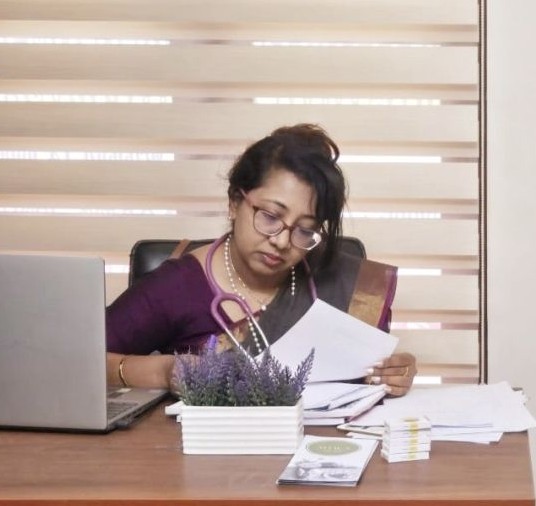
Dr. Sreeja. V.S
www.mitakshiayurcare.com
The Panchakarma Ayurvedam At Sreenilayam is are a small, family-run Ayurvedic treatment center tucked away in a serene village about an hour outside of Calicut in Kerala, India. At Sreenilayam team of Ayurveda physicians is under the guidance supervised by Dr. Mali. He began studying Ayurveda in the ancient system of gurukulam at the age of 16 and has more than 35 years of experience delivering authentic Ayurvedic healthcare at Sreenilayam and around the world. Dr. Mali belongs to a family for whom astrology and Ayurvedam are a way of life. His father, Vaidyapadan Sri Ramakrishnan, was a well known Ayurvedic doctor from Shoranur Ayurveda College. Dr. Mali has conducted workshops in Lausanne, Geneva and Moscow. Dr. Mali’s wife Sujatha is the hostess of Ayurveda at Sreenilayam. She makes it a true home, taking care of every minute detail and welcoming her guests like family. At Sreenalayam, every detail is treated with love and care. With seven rooms and four doctors on site, they are able to offer their patients the highest quality of treatment. Many of the Ayurvedic medicines and oils are made in-house, meals are prepared with local organic ingredients, purified drinking water comes from their own well, is powered by solar energy, and the Ayurveda center is built according to Vastu (Vedic sacred geometry) for the proper flow of energy. It is a peaceful oasis where you can reconnect with the nature around you and your own nature within you. For visitors from India, Europe, the USA, and other parts of the world, At Sreenilayam team Panchakarma programs are tailored to ensure authenticity, safety, and a supportive healing environment, combining traditional Ayurvedic wisdom with modern standards of care.Focuses on rejuvenation and long-term health maintenance through herbal formulations, restorative diets, and lifestyle practices.
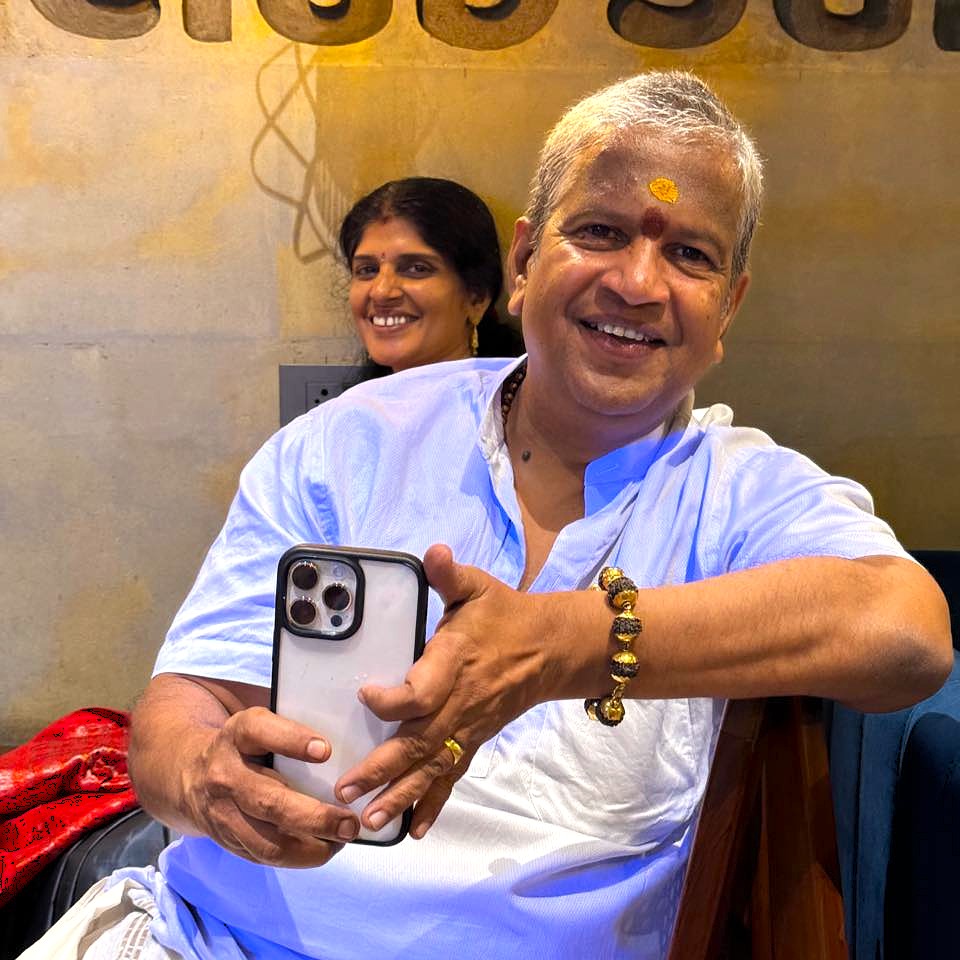
Dr. Vana Mali
www.ayurmali.com
Healingveda Health Solutions was founded in 2002 as a company is under the guidance supervised by Dr. Anil P. Kumar with his vision to promote authentic Ayurveda worldwide and was incorporated at Manalil Road, Kollam City, Kerala – India. Healingveda under the leadership of Dr. Anil P. Kumar also works operates at 6th floor, Tomášikova 26, Bratislava, Europa. Healingveda coordinates Ayurveda-based treatments and various healthcare services across the globe, dedicated solely to these. Healingveda coordinates a number of expert doctors, therapists and other allied healthcare professionals with the aim of providing the best supportive Ayurvedic care to the people in need. Healingveda supports Ayurvedic health projects, trainings, health retreats and much more. They organize authentic Ayurvedic treatments and yoga practice in hospitals and resorts, mainly in Kerala. Health and wellness travel and retreats to explore the beauty of Kerala. They provide complete technical support for all health and wellness projects worldwide. They conduct courses and trainings in Ayurveda, Yoga and Lifestyle Management all over the world. Global promoter of Ayurveda and well-being till date: Kollam, Kerala, India · Bratislava, Slovakia · Milan, Lombardy, Italy · Belgrade, Serbia · Lagos, Nigeria · Bangalore, Karnataka, India · Chiyoda-ku, Tokyo, Japan · Paris, France · London, United Kingdom · Dubai, United Arab Emirates. Educational pathways range from foundational certificate programs – such as the Ayurvedic Wellness Counsellor (AWC) offered at Healingveda centres in Europe – to advanced clinical training and even university-level master’s degrees in Ayurveda, such as those available at Ayurveda College, Thiruvananthapuram / Kerala University. These programs typically combine theoretical modules with practical training, internships, opportunities for case study discussions, and personal practice, ensuring a comprehensive learning experience.
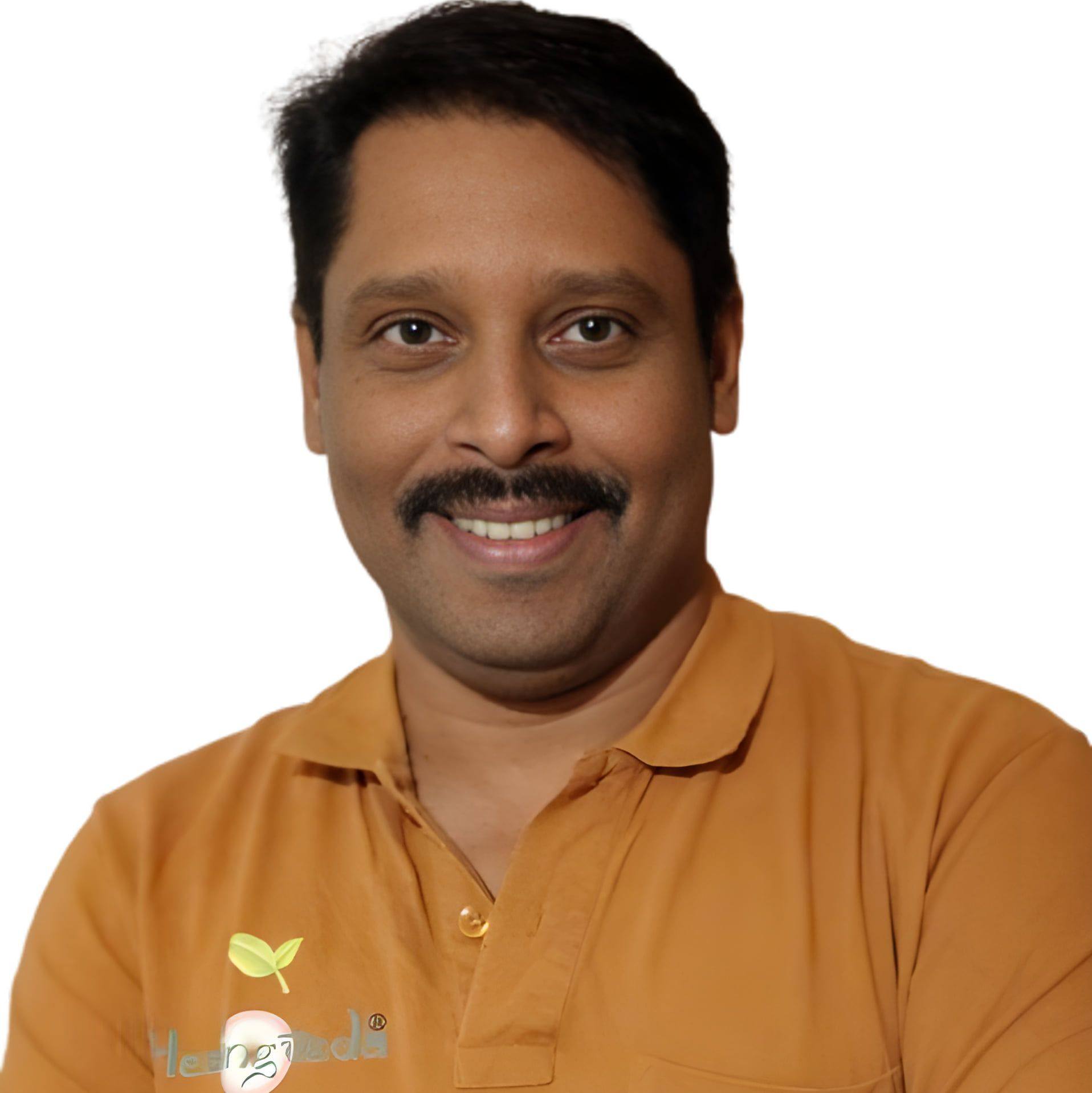
Dr. P. Anil Kumar
www.healingveda.com
Neev Soaps Organic – processing of Herbs in a Nature-Integrated Environment Village Hurlung Jharkhand – Jamshedpur, India under the guidance supervised by Mrs. Shikha Jain. Handmade Ayurvedic Soaps – Crafted by Rural Women Since 2007. Every Neev Soap is cold-pressed and handcrafted in small batches using traditional Ayurvedic recipes. Unlike commercial soaps that strip your skin with synthetic detergents, soaps retain natural glycerine – leaving your skin genuinely clean, soft, and nourished after every wash. All soaps are 100% natural, free from SLS, parabens, synthetic fragrance, and artificial colour. Each bar is handmade by rural women artisans – your purchase directly supports their livelihoods. From a humble Village Hurlung beginning, to growing into an award-winning social enterprise. Handcrafting herbal soaps, empowering women and uniting communities. With a commitment to dignified employment and sustainability, as Neev Soaps became a national sensation. Step into Neev Soaps story, where community thrives and traditions thrive, not only in Asia, but also outside Asia. Organic processing of herbs within a nature-integrated environment emphasizes sustainable harvesting, ethical sourcing, and minimal processing to preserve the plant’s natural integrity and active compounds. This model fosters harmony with nature while also supporting local communities through fair practices and regional economic strengthening. Projects often incorporate Fair Trade principles, ensuring just compensation for producers, encouraging community training programs, and promoting sustainable social and economic development. The ultimate goal Neev Soaps and by Mrs. Shikha Jain is to create high-quality herbal products while safeguarding both the environment and human well-being.
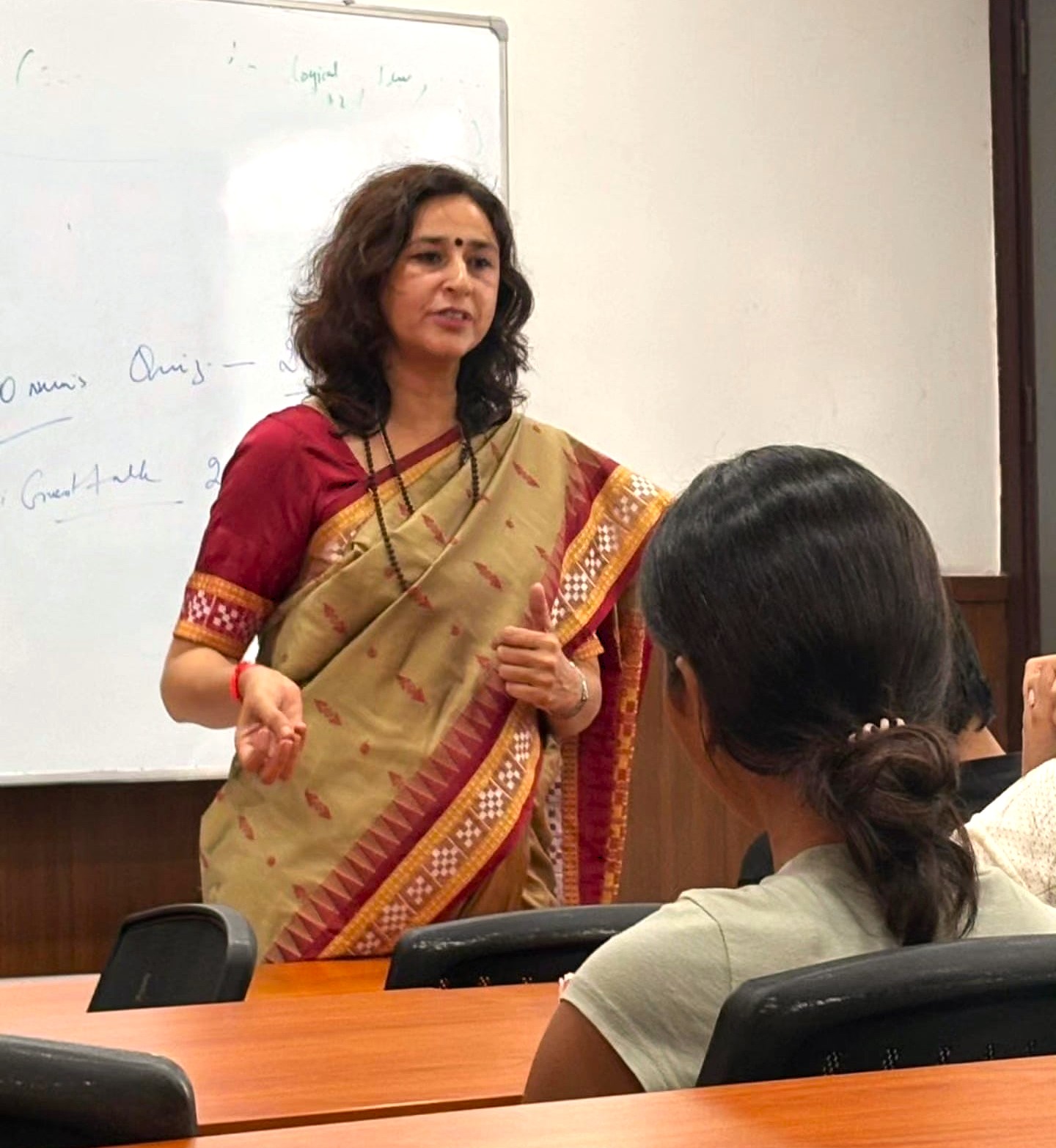
Mrs. Shikha Jain
www.neevsoaps.com
HETHA was formed with the following vision – protect, preserve, and promote indigenous breeds of cows. It is extremely important – all cows & bulls should get to live their full natural life. No one should be culled or left on the roads. HETHA are working to raise awareness about the health benefits of organic A2 milk, bilona ghee and Panchgavya medicines derived from Indigenous cows. HETHA currently has a herd size of over 1100+ indigenous cows & bulls in Uttar Pradesh and Uttarakhand. The organisation is managed by 100+ individuals and runs without donations. Hetha is committed towards the ethical treatment of cows. Cows and bulls have access to organic green fodder, clean water throughout the day and are free to roam in vast open spaces. No cow or bull is culled or left on the road at HETHA. All cows our monitored against diseases to ensure the highest quality of milk. Hetha Organics Sikandarpur, Ghaziabad Uttar Pradesh – India, operates and controls under the guidance supervised by Mr. Aseem Singh Rawat. Many people report improvements in digestive well-being, cholesterol balance, and overall vitality after switching to A2 milk. Rich in protein, calcium, and healthy fats, A2 milk is often described as “stomach-friendly” and supportive of immunity. Traditional Indian cow breeds such as Gir, Sahiwal, Red Sindhi, and Tharparkar not only yield A2 milk but are also recognized for their resilience and distinct physical features, such as the characteristic hump. Unlike crossbred varieties such as Holstein Friesian or Jersey cows, desi cows are closely tied to India’s cultural and medicinal traditions. Within TCIM practices, A2 milk is highly valued. Products such as Bilona Ghee and Panchagavya-based formulations derived from indigenous cows are regarded as important therapeutic elements, supporting holistic health for body, mind, and spirit.
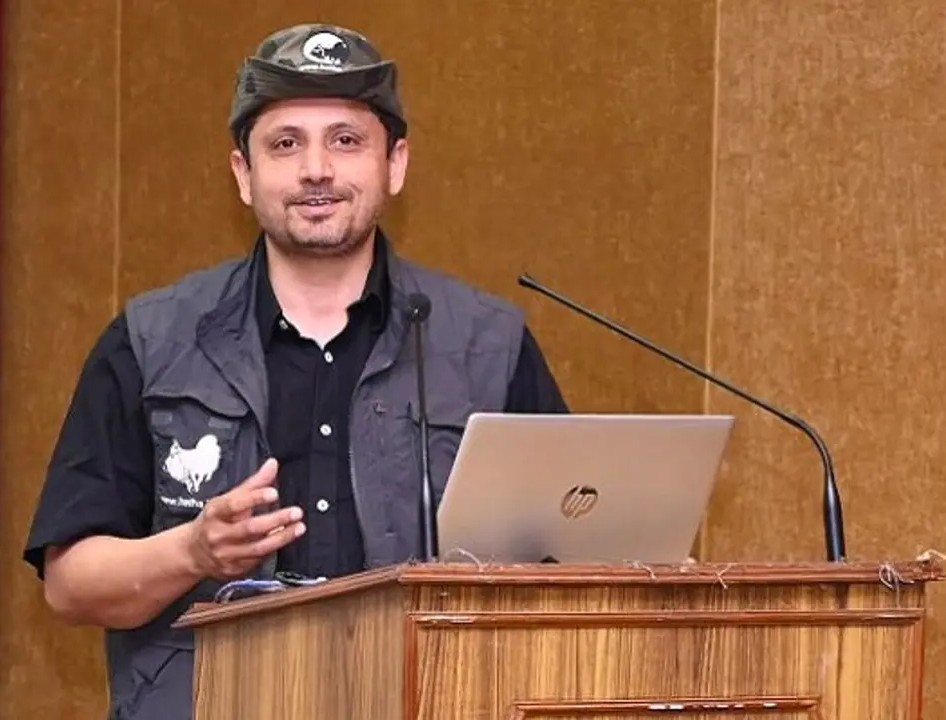
Mr. Aseem Singh Rawat
www.hetha.in
The Essentia Health Centre, under the guidance supervised by Dr. Ibro Sulejmanović, is located Petrakijina 20 in Sarajevo, Bosnia and Herzegovina. Essentia Healing Centre is dedicated to a holistic approach to health and well-being through the application of traditional medicine methods, body-based therapies, and techniques focused on restoring balance between the body and mind. The Centre offers a range of therapeutic approaches, including acupuncture, acupressure, osteopathy, targeted physical exercises, and breathing exercises, individually tailored to the needs, condition, and goals of each client. A particular focus of Essentia Healing Centre is supporting individuals dealing with the consequences of traumatic and post-traumatic experiences, anxiety and depressive states, chronic stress, physical and emotional tension, and nervous system dysregulation, as well as those experiencing various digestive complaints and functional disorders of the digestive system. Special attention is given to the connection between mental and physical health, recognizing that prolonged stress, emotional burden, and traumatic experiences can significantly affect the way the body functions. Through an individually tailored therapeutic approach, the aim is to support the body’s natural mechanisms of self-regulation and recovery, improve physical functioning, reduce tension and discomfort, enhance breathing and sleep quality, and contribute to greater emotional and physical balance – and cultivating long-term habits that support health and quality of life. Essentia Healing Center embraces an individualized, integrative, and holistic approach, in which a person is not viewed solely through the lens of a particular symptom, but as a whole – taking into account their physical condition, emotional experience, lifestyle, breathing patterns, movement, and everyday functioning. Our goal is not merely to alleviate current discomfort, but to support each individual in the process of restoring balance, developing a deeper connection with their body, and cultivating long-term habits that support health and quality of life.
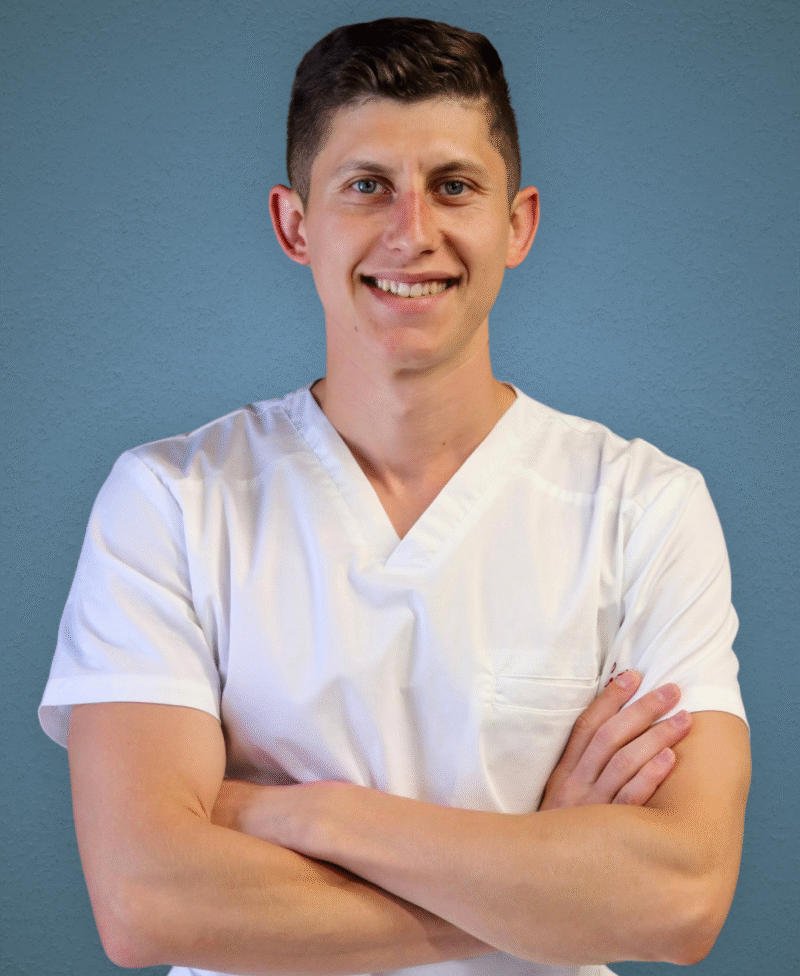
Dr. Ibro Sulejmanović
www.essentiahealing.com
The Sushiveda therapy program is based on a synthesis of Tibetan (Sowa-Rigpa), Indian (Ayurveda), and Persian (Unani) traditional medicine, under the guidance supervised by Smajo Safić Gupta, Prof. Vaidya (Ayurvedic physician) and Menpa (doctor of Tibetan medicine). Prof. dr. Gupta operating in Europe for over 27 years. The Sushiveda therapy program in India is offered as a holistic approach in collaboration with astro-numerologist Mrs. Vrinnda Nakul Vig, is a dedicated astrologer based in New Delhi specialising in Numerology, Crystal Healing, Astrology and Vashikaran Remedies. Consultations are available in Hindi, English and Punjabi. Following an individual assessment, the program consists of 3 or 6 treatments over 2-3 days. Above all, the theraphy program is designed from the ground up to support preventive care for the individual and family, and to promote overall health and well-being. The Sushiveda therapy program with the therapy team concludes with Mr. Lalit Kumar Sharma, Vaidya, using Ayurvedic natural herbs the client’s daily habits to maintain balance between mind and body. The Sushiveda therapy program is intended to support conditions affecting the bones, joints, and soft tissues, including ankylosis, arthrosis, lower back pain, gout, calcific tendinitis, stiffness and contractures, osteoporosis, osteomalacia, rheumatism, spondylitis, rheumatoid arthritis, calcifications, hernias, knee and tendon-related conditions, and age-related joint changes. It is also presented as complementary support for allergic and autoimmune disorders, headaches, insomnia, pelvic pain, and certain neurological conditions, including recovery following stroke, heart attack, and multiple sclerosis. The Sushiveda therapy program also aims to support emotional balance and productivity, particularly in stress-related conditions, as well as thyroid function and hormonal balance.
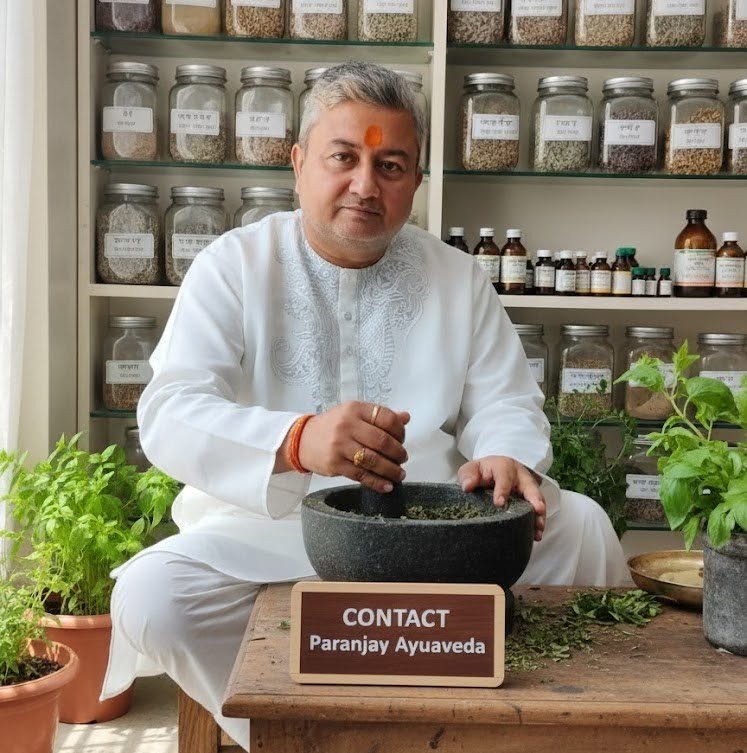
Founder – Prof. dr. Smajo Safić Gupta
CoFounder – Vrinnda Nakul Vig, Astrologer
CoFounder – Lalit Kumar Sharma, Vaidya
www.dr-gupta.in
Rishikrit is an Indian organic agriculture brand dedicated to producing pure, natural honey that is raw and unpasteurized. Rishikrit Honey is a premium choice for anyone who values pure, raw, and high-quality ingredients. Whether you are looking to enhance your daily wellness routine or searching for a thoughtful gift, this honey is an excellent choice. The Rishikrit project travels across India according to the flowering seasons, working closely with local beekeepers and farmers. The project is primarily based in Badhanoo village, Sujawalpur, Hathras District, Uttar Pradesh, Bharat (India). In the mountainous regions of Kashmir and Himachal Pradesh, Rishikrit works with local beekeepers to produce hive-based products, including rare varieties of raw honey – both single-floral and multifloral -as well as beeswax products. The project encourages local farmers to adopt ethical beekeeping practices and cultivate a diversity of crops, including native grains, herbs, and flowers, while supporting biodiversity and traditional agricultural practices. Himalayan Jungle Honey is a raw, wild forest honey harvested from remote Himalayan Forest regions. Naturally rich in antioxidants and other bioactive compounds, raw honey may support overall wellness, including antioxidant protection, antimicrobial activity, digestive health, heart health, wound care, blood sugar management, sleep, skin health, cough relief, and immune function. Its naturally dark amber colour is characteristic of many forest honeys and may indicate a higher concentration of certain antioxidant compounds. Under the guidance of Founder – Mr. Shivendu Dixit and CoFounder – Mr. Madhukar Shankhdhar, the Rishikrit project ensures that its honey is never subjected to excessive heating, helping preserve its natural qualities and distinctive flavour. Rishikrit Himalayan Jungle Honey, like other honeys from the Rishikrit project, is a premium honey product suitable for everyday enjoyment and for those who appreciate naturally sourced, minimally temperature-processed products or 100% naturally processed. It is among the best honey options in India for daily wellness use.
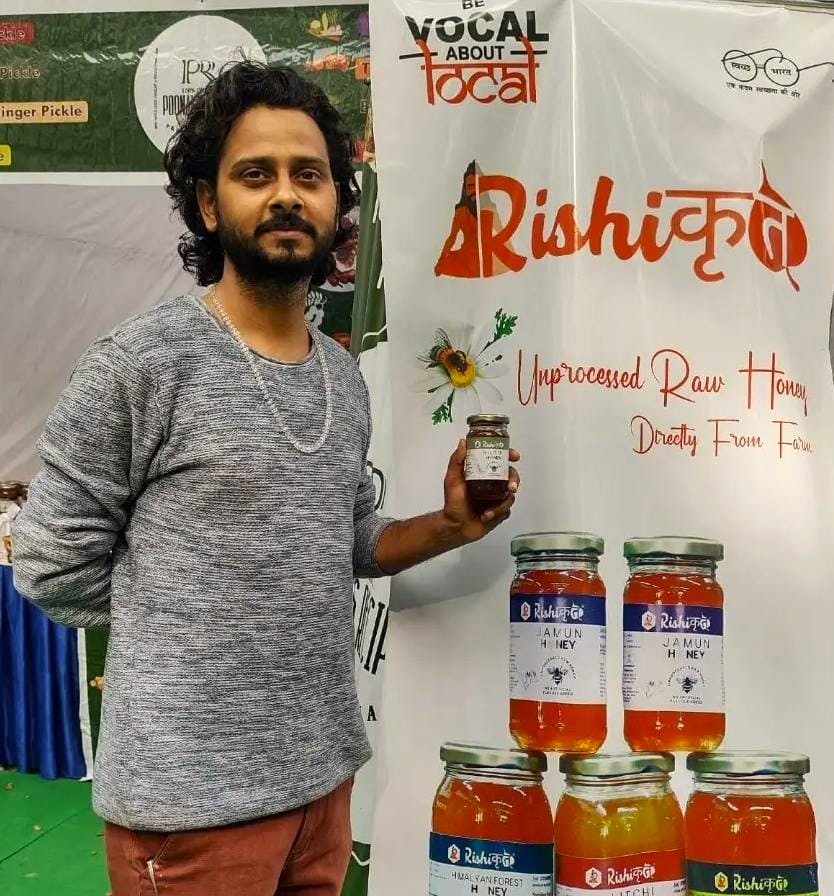
Founder – Mr. Shivendu Dixit
CoFounder – Mr. Madhukar Shankhdhar
www.rishikrit.in
Malabar Ayurvedic Pvt. Ltd is located at Chengaloor, Thrissur District Kerala – India. The company already holds a Certificate of Incorporation under the rules and regulations of the Companies Act, 1956. The Government of Kerala has also issued a Drug Control Certificate under registration number 25D, license number: 36/25D/96. They usually gather all the substances needed to make medicines in the mountains and on their premises itself. Fortunately, the presence of multiple precious natural vegetations, medicinal herbs and trees in and around the company further adds to its serene beauty. Since its inception, the company has given priority to manufacturing medicines in the traditional way. This is why the company stands out from the rest in its mission. All the employees recruited to company are working harmoniously and sincerely with much satisfaction. Malabar Ayurvedic Private Limited Company has been expanding since 1994 with the support of people. A sophisticated laboratory established at the factory under the leadership of a group of experts, which carries out all tests on the collected materials, thereby ensuring their authenticity. All this is monitored by a team of staff led by the company’s Managing Director, Mr. Sreekanth, son of dr. Padmini Peethambaran. Malabar Ayurvedic Pvt. Ltd is one of the leading Ayurvedic products manufacturing companies in South India. The wide range of products includes medicated oils, eye drops, tablets, choornangal, kashayangal, thailangal etc. The company promotes patented, ethical and generic ranges of Ayurvedic products. With many years of experience and market expertise in the field of Ayurvedic medicines, they managed to establish themselves as a reliable entity in the Ayurvedic market industry.
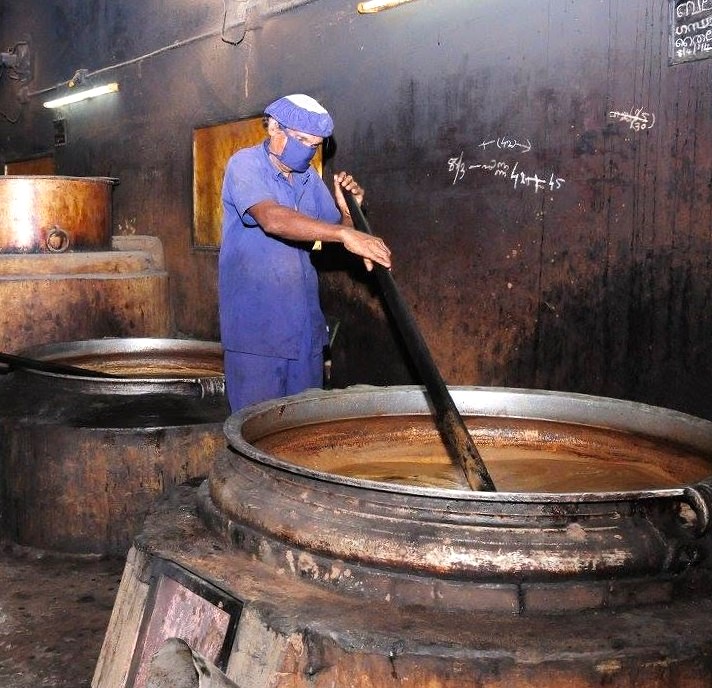
Mr. Sreekanth
dr. Padmini Peethambaran
www.malabarayurvedic.com
Hotel Hot Spring Tattapani – a serene getaway near Shimla a retreat for Rest & Renewal. Under the guidance supervised Mr. Prem Raina Raina who is an expert Adventure & Health Tourism Expert Promoting Ayurveda, Naturopathy, Yoga & Water Sports. Tattapani Natural Hot Spring is known for its sulphur-rich thermal water and therapeutic benefits. The temperature of the water typically ranges above 36°C, making it ideal for therapeutic bathing. Enriched with natural sulphur and essential minerals, this water is known for its profound healing and rejuvenating properties. Unlike artificial spa treatments, these hot springs are completely natural, carrying mineral content that has been filtered and enriched through layers of Himalayan rock over thousands of years. Regular bathing in sulphur-rich thermal water offers numerous health benefits, such as relieving joint and muscle pain. Sulphur helps reduce inflammation and stiffness, making hot spring therapy especially beneficial for individuals suffering from Arthritis, Back pain, Muscle fatigue and Sports injuries. Bathing in sulphur-rich water can help: Cleanse and detoxify the skin; Improve eczema, psoriasis, and acne; Enhance skin texture and natural glow. Thermal water naturally dilates blood vessels, improving circulation and oxygen flow throughout the body. This supports: Overall vitality and energy levels; Better metabolic function; Improved immunity; Support joint and muscle health; Detoxify the body; Improve circulation; Promote holistic well-being. Each therapy is conducted under professional guidance, ensuring a safe and effective wellness experience tailored to individual needs. The natural hot spring of Tattapani is more than just a bath – it is a holistic healing experience. Surrounded by pristine mountains, fresh air, and the gentle sound of flowing river water, your body and mind naturally align with nature’s rhythm.
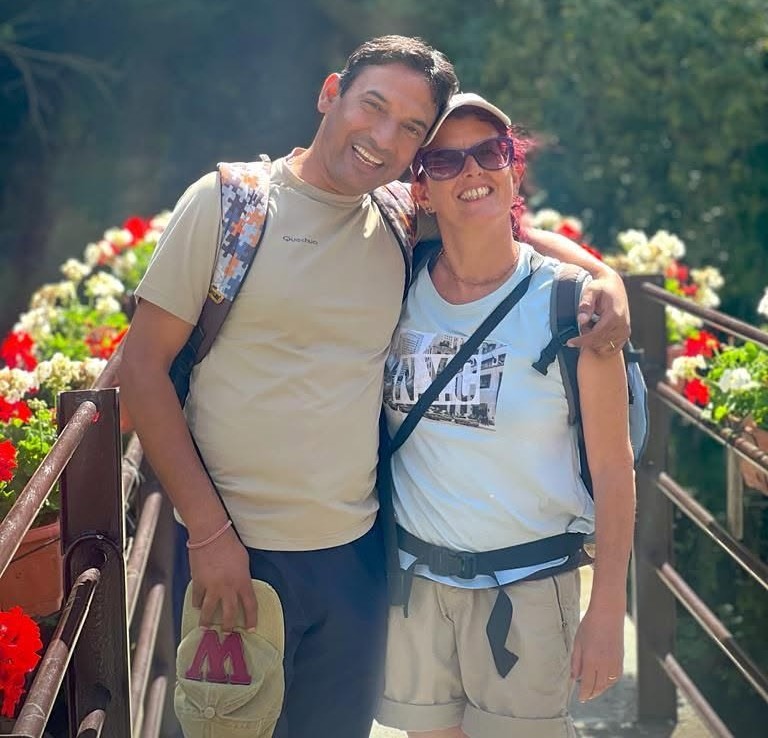
Mr. Prem Raina Raina
www.hotelhotspring.in