Price List
At the Institute for Traditional, Complementary and Integrative Medicine, Ayur Ashram, which operates in Europe and India, we recognize the knowledge that students have formally acquired and acquired through accredited study programs at educational institutions (whether domestic or international). At the Aur Ashram Institute, we warmly welcome candidates for education between the ages of 20 and 60, regardless of their previous formal education, provided they are ready to embark on this educational journey with the goal of contributing to the health and well-being of people in their communities.
The education participant is required to submit a Curriculum Vitae (CV), together with a passport-style photograph (3.5 × 4.5 cm), by email to info@ayur-ashram.in. These materials will become part of the student’s educational portfolio and will also be used for the preparation of the Diploma or Certificate. The portfolio supports the documentation of learning. This includes participant reflections, feedback and interaction with a mentor, and alignment with Entrustable Professional Activities (EPA).
The goals of the education and professional training are determined jointly during an online (or in-person) interview; it is essential to establish the student’s status based on their CV and a motivation letter in which the candidate explains their intention to study at the Ayur Ashram Institute and specifies the types of therapies they wish to study – or incorporate into their practice and perform – upon successfully completing the program and obtaining a Diploma or Certificate.
It is highly important that a student (especially those who are already working professionally in Traditional Medicine, or want to become so) applying to the Institute, Ayur Ashram, possesses knowledge acquired through practical work and previous education in the fields of Esotericism and Traditional Medicine Systems.
Applicants holding secondary school qualifications, higher education degrees, or doctoral degrees in medical sciences (Western medicine) may have enhanced opportunities to pursue doctoral studies within the Institute, Ayur Ashram. Previous academic qualifications or advanced degrees in medical sciences significantly strengthen an applicant’s foundational knowledge, research profile, and overall competitiveness when applying for postgraduate or postdoctoral programs within the Institute, Ayur Ashram.
One thing I wish I had known in college is that the working world is not as neatly organized as college is. Outside of some specific jobs that require licensure or technical knowledge, your degree doesn’t matter much, especially for entry-level roles! When you are just starting out, having ANY degree is what matters. After the first few years of work, or between the first and second job, your degree matters less, and what you achieved / learned on the job becomes the focus.
Lastly, if you don’t know what you want to do, then this is a great time to explore at the Institute, Ayur Ashram. To know our passion, we need to find those things which take us to the state of flow, but the search for purpose in life is a long journey. To find it, we need to know our true selves.
Try it and see what you do and don’t like, and then roll that learning into the next opportunity. And also spend some time crafting your narrative in Traditional Medicine. A degree is just a box checked off during an interview. It doesn’t tell the hiring manager what you know and what you bring to the table. You have to put that together in one’s soul and demonstrate it through your cover letter, resume, and interview.
Diploma in Ayurvedic Therapist – Masseuse and Masseur
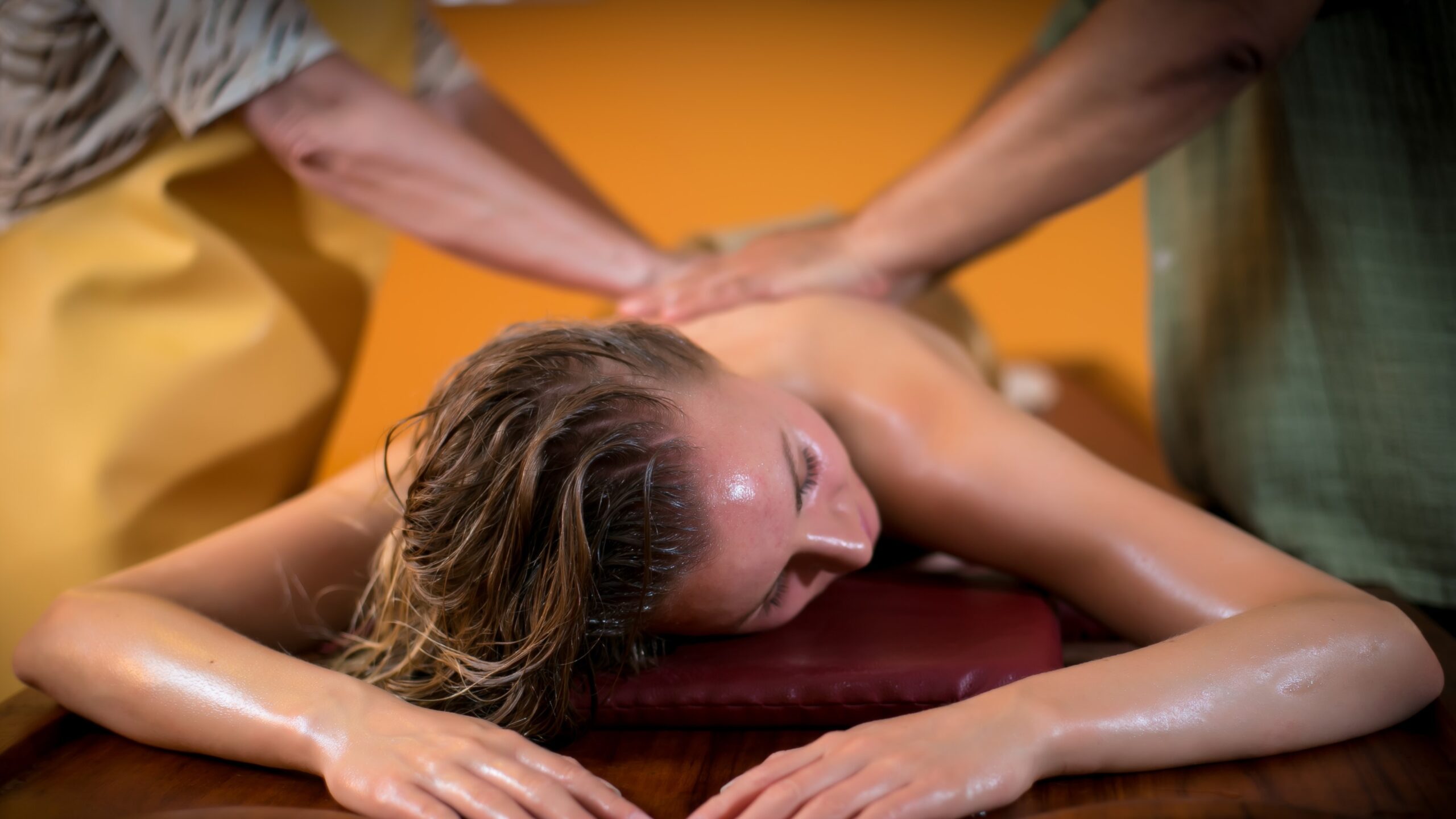
You will assess clients’ needs, develop treatment plans based on Ayurvedic principles, and administer therapies such as massage, dietary advice, and lifestyle recommendations. The Ayurvedic practice of Abhyanga, or oil massage, offers physical benefits such as relieving muscle tension, promoting lymphatic drainage, and nourishing the skin from head to toe.
It stands out from other types of massage due to its focus on the skin rather than just the underlying muscles. From the medicinal oils used to the circulation-stimulating movements, it is more like a facial treatment for the entire body. The degree signifies adherence to ethical standards, scope of practice, and client record-keeping.
As part of the first education, we offer additional training and education in medical or therapeutic massage. Four-hand Marma therapy is an advanced Ayurvedic bodywork technique where two practitioners work in absolute synchrony on a single recipient, combining traditional four-hand oil massage (Abhyanga) with the precise stimulation of vital energy points (Marmas).
Pricing Structure
- Weekend meeting (two to three days); the introductory meeting is FREE of charge. This time is also dedicated to getting to know the student and establishing the mentorship. There is no obligation to enrol following the live practical presentation.
- Upon enrolment, you receive a handbook and other written materials for the educational process (a career portfolio) in the field of traditional medicine. This process and the registration (the portfolio) of the student as an education client include the production of a Diploma / Certificate and cost €200.
- Depending on the participant’s prior knowledge and the path toward professional practice in their local area, training costs range from €800 to €1,600; this amount includes mentorship, practical learning training, and everything else required to ensure high-quality learning leading up to the awarding of a Diploma or Certificate.
- Payment in instalments during the training period is possible. If two students participate in the practical training, the price is reduced by 20%; if four students participate, the price is reduced by 30% of the estimated cost.
The learning period for the Diploma in Ayurvedic Therapist – Masseuse and Masseur is structured over a six-month timeframe. The time required for education depends on the understanding and knowledge of massage techniques. Upon the successful completion of 50 hours of hands-on practical training (calculated as 45-minute academic hours), participants will be awarded a degree Certificate outlining the acquired competencies, along with a Diploma.
Good to know and important!
Candidate students will be required to submit a medical certificate attesting to their fitness to perform the duties and tasks of a healthcare professional, issued by an occupational health service.
The practical training takes place in Slovenia – at the headquarters of the Institute, Ayur Ashram, or elsewhere in Europe where the Ayur Ashram Institute operates. The educational program also allows students to complete their practical training at a model Ayurvedic or Wellness centre in their home location.
What the student needs to know:
- Arranging and paying for travel to Slovenia or to an active Ayur Ashram centre in Europe.
- Handling necessary formalities, including covering all associated costs, if a visa is required for travel to or a stay in Slovenia/Europe.
A selected group of students, an institution, an association, or an individual may invite a mentor to deliver a guest lecture – in furtherance of this educational objective – at a suitable centre in any European country, subject to the following:
- Arrangements for accommodation for the mentor and travel at the destination within the country to the host.
- The provision of suitable premises equipped for educational activities.
Diploma a Panchakarma Specialist Therapist, Ayurvedic Technician, or Wellness Consultant
After obtaining the Diploma in Ayurvedic Therapist – Masseuse and Masseur, welcome to the Diploma as a Panchakarma Specialist Therapist, Ayurvedic Technician, or Wellness Consultant. The time required for education depends on the understanding and knowledge of Ayurvedic Medicine – in the first place, knowledge of Ayurvedic Psychosomatics and Diagnostics; Foundational Principles of Ayurvedic Treatment; Various Manual Therapy Techniques; and Dietary Approaches integrated with the practical use of medicinal herbs and spices, particularly focused on the digestive system.
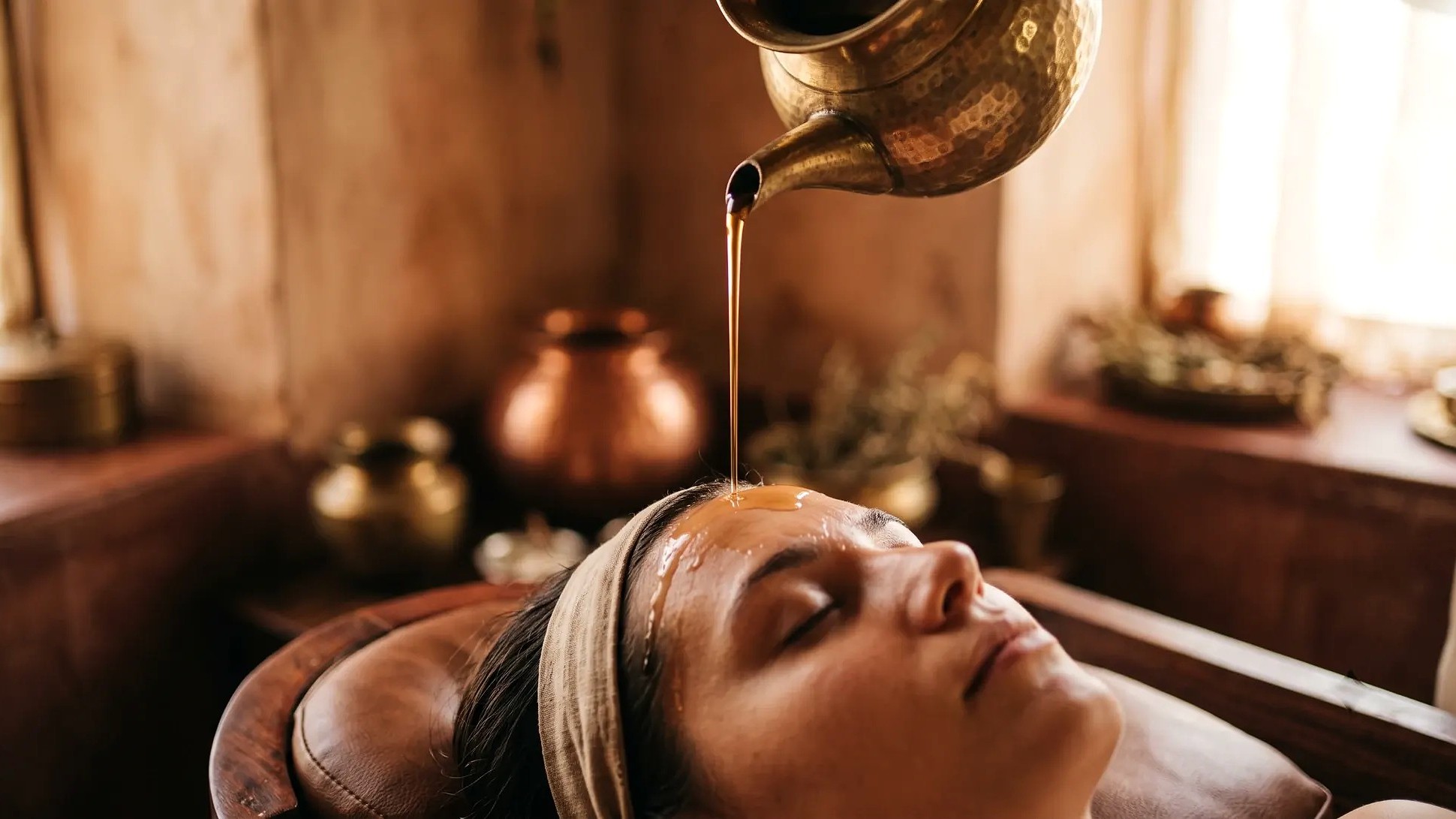
The Diploma as a Panchakarma Specialist Therapist, Ayurvedic Technician, or Wellness Consultant is for an Ayurvedic healthcare professional trained in traditional detoxification and rejuvenation therapies designed to eliminate toxins and balance the body’s doshas (Vata, Pitta, and Kapha). As a healthcare professional, you will perform specialized treatments like Abhyanga (oil massage), Swedana (herbal steam), Shirodhara (oil pouring on the forehead), Basti (enema therapy), and Nasya (nasal drops), and other therapeutic procedures that are an integral part of the Panchakarma program.
The program includes theoretical education delivered through distance learning via the Internet (the written learning materials are provided by the mentor) and mandatory practical training, with a minimum learning time of 90 days (3 × 30 days) to 1 year for standard diplomas, or 1 to 2 years for a Post-Graduate Diploma (PGD). It includes both online theory and hands-on practical clinic training. Fundamentals of Ayurveda, herbal preparations, patient assessment, and therapies like Snehana (oleation), Swedana (sweating), Vamana(vomiting), and Virechana (defecation). Requirements & Eligibility – Usually requires a high school diploma or a background in Science / Nursing.
A Diploma in Panchakarma Therapy trains specialists to perform traditional Ayurvedic detoxification and rejuvenation procedures. The course requires earning 60 credits as mandated by the UGC, and consists of 60% credits for vocational education, of which the major portion is On-the-Job Training (OJT).
During the OJT of 24 credits (Asia standard academic credits), spanning well over 600 hours spread over approximately 20 weeks per semester, students receive hands-on training with senior therapists and learn various Panchakarma therapies. They also prepare medicines required for Panchakarma procedures. They will also learn about the use of all related equipment.
Upon completion of the training, students are qualified to work in Panchakarma clinics / Ayurveda hospitals or Ayurvedic Spa and Wellness Centres.
This program also offers the option of upgrading to a B.Voc. program in Ayurveda Nursing, and enrollment in the B.A.M.S. (Bachelor of Ayurvedic Medicine and Surgery) in India, which is an academic medical degree that qualifies graduates as Ayurvedic doctors.
Pricing Structure
- Weekend meeting (two to three days); the introductory meeting is FREE of charge. This time is also dedicated to getting to know the student and establishing the mentorship. There is no obligation to enrol following the live practical presentation.
- Upon enrolment, you receive a handbook and other written materials for the educational process (a career portfolio) in the field of traditional medicine. This process and the registration (the portfolio) of the student as an education client include the production of a Diploma / Certificate and cost €200.
- Depending on the participant’s prior knowledge and the path toward professional practice in their local area, training costs range from €1,700 to €1,900; this amount includes mentorship, practical learning training, and everything else required to ensure high-quality learning leading up to the awarding of a Diploma or Certificate.
- Payment in instalments during the training period is possible. If two students participate in the practical training, the price is reduced by 20%; if four students participate, the price is reduced by 30% of the estimated cost.
Good to know and important!
Candidate students will be required to submit a medical certificate attesting to their fitness to perform the duties and tasks of a healthcare professional, issued by an occupational health service.
The practical training takes place in Slovenia – at the headquarters of the Institute, Ayur Ashram, or elsewhere in Europe where the Ayur Ashram Institute operates. The educational program also allows students to complete their practical training at a model Ayurvedic or Wellness centre in their home location.
What the student needs to know:
- Arranging and paying for travel to Slovenia or to an active Ayur Ashram centre in Europe.
- Handling necessary formalities, including covering all associated costs, if a visa is required for travel to or a stay in Slovenia/Europe.
- Also covering the costs of subsequent visa arrangements, travel, and accommodation for the purpose of educational training in India at a later stage.
A selected group of students, an institution, an association, or an individual may invite a mentor to deliver a guest lecture – in furtherance of this educational objective – at a suitable centre in any European country, subject to the following:
- Arrangements for accommodation for the mentor and travel at the destination within the country to the host.
- The provision of suitable premises equipped for educational activities.
Diploma as an Ayurveda Physician Study Program – B.A.M.S. (Bachelor of Ayurvedic Medicine and Surgery)
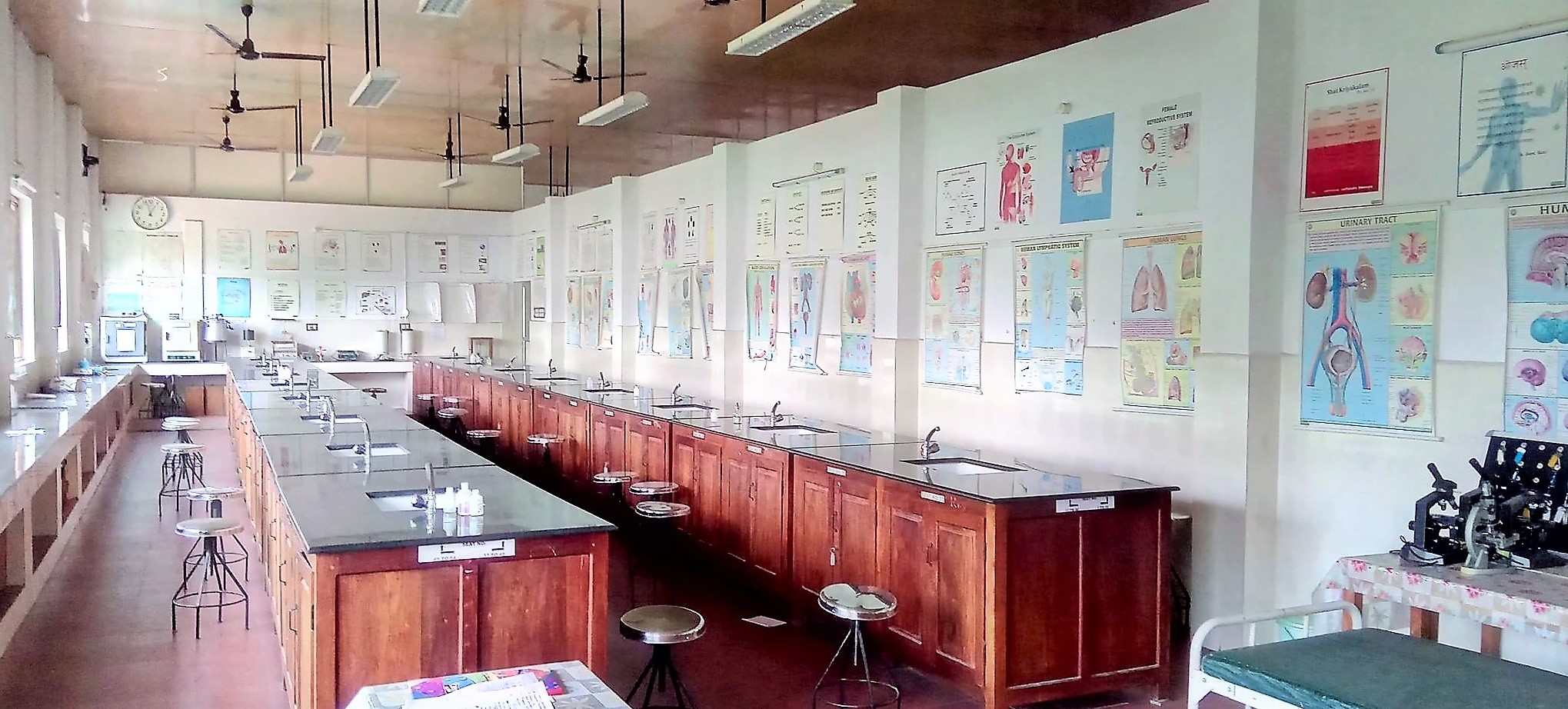
Studying Ayurvedic medicine (Bachelor of Ayurvedic Medicine and Surgery – B.A.M.S.) is an academic Indian medical degree in Ayurveda Physician studies that is awarded after a classical study period of (a 4 + 1 + 1 year system). If a student has already completed the title of 1st Level – Diploma in Ayurvedic Therapist – Masseuse and Masseur and 2nd Level – Diploma as a Panchakarma Specialist Therapist, Ayurvedic Technician, or Wellness Consultant at the Institute, Ayur Ashram, you are first welcome to “distance” education, which means that the student receives written materials for learning the theory and, in agreement with the mentor / professor, attends a large part of the practical training in India.
Completing the education typically requires an additional (a 2 + 1 year system) of study in India. Of course, this is provided that you have completed the 1st Level and 2nd Level of training at the Institute, Ayur Ashram. The duration of the stay in India, as well as the choice of mentor and study program, are determined in advance.
For admission to the B.A.M.S. study program, it is desirable – and logical – that students demonstrate their ability to carry out practical training. Obtaining the title of Ayurvedic physician requires knowledge and training in traditional Ayurvedic medicine combined with elements of modern science. During the initial internship, the student of the school learns by observing how the mentors carry out processes on patients, with the aim that practical learning enables better memory and better visual information about the course of therapeutic work of the future Ayurveda Physician.
The curriculum includes the use of herbal compounds, minerals, and traditional diagnostic methods alongside foundational modern medical training – most notably found in standardized programs for Traditional, Complementary, and Integrative Medicine (TCIM), Ayurveda (such as Bachelor of Ayurvedic Medicine and Surgery programs), and Naturopathic Medicine (ND).
Learning is a complex psychological process of behavioural change based on acquired knowledge and experience. This progress is already evident through the knowledge gained during the First Level (Diploma in Ayurvedic Therapist – Masseuse and Masseur) and Second Level (Diploma as a Panchakarma Specialist Therapist, Ayurvedic Technician, or Wellness Consultant) of education, as well as through each participant’s demonstrated experience and professional background presented in their CV.
Important!
Candidates who have completed at least the first Bologna cycle of higher education (180 ECTS credits) in any field – or hold an equivalent qualification – may enroll program. Candidates who completed (Diploma in Ayurvedic Therapist – Masseuse and Masseur, and Diploma a Panchakarma Specialist Therapist, Ayurvedic Technician, or Wellness Consultant) the Institute, Ayur Ashram – study, will have their eligibility for enrollment assessed into doctoral studies in an individual basis.
Applicants holding secondary school qualifications, higher education degrees, or doctoral degrees in medical sciences (Western medicine) may have enhanced opportunities to pursue doctoral studies within the Institute, Ayur Ashram.
The student-participant of the B.A.M.S., is an undergraduate degree level program should be aware that the process studying is very demanding and that they must complete practical training in India with a designated mentor at an institution approved by the Consortium partner of the Institute, Ayur Ashram, in accordance with AYUSH standards.
Pricing Structure
- Upon enrolment, you receive a handbook and other written materials for the educational process (a career portfolio) in the field of traditional medicine. This process and the registration (the portfolio) of the student as an education client include the production of a Diploma / Certificate and cost €200.
- Depending on the participant’s prior knowledge and the path toward professional practice in their local area, training costs range from €2,500 to €2,800; this amount includes mentorship, practical learning training, and everything else required to ensure high-quality learning leading up to the awarding of a Diploma or Certificate. Payment in instalments during the training period is possible.
Good to know and important!
Candidate students will be required to submit a medical certificate attesting to their fitness to perform the duties and tasks of a healthcare professional, issued by an occupational health service.
What the student needs to know:
- Arrangement of necessary formalities, including coverage of all associated costs – such as the visa required for travel to or a stay in India.
- Also covering the costs of subsequent, travel, and accommodation for the purpose of educational training in India.
- It is also recommended that the student arrange their own insurance for the purpose of travel to and a stay in India.
Diploma in Vedic Psychology
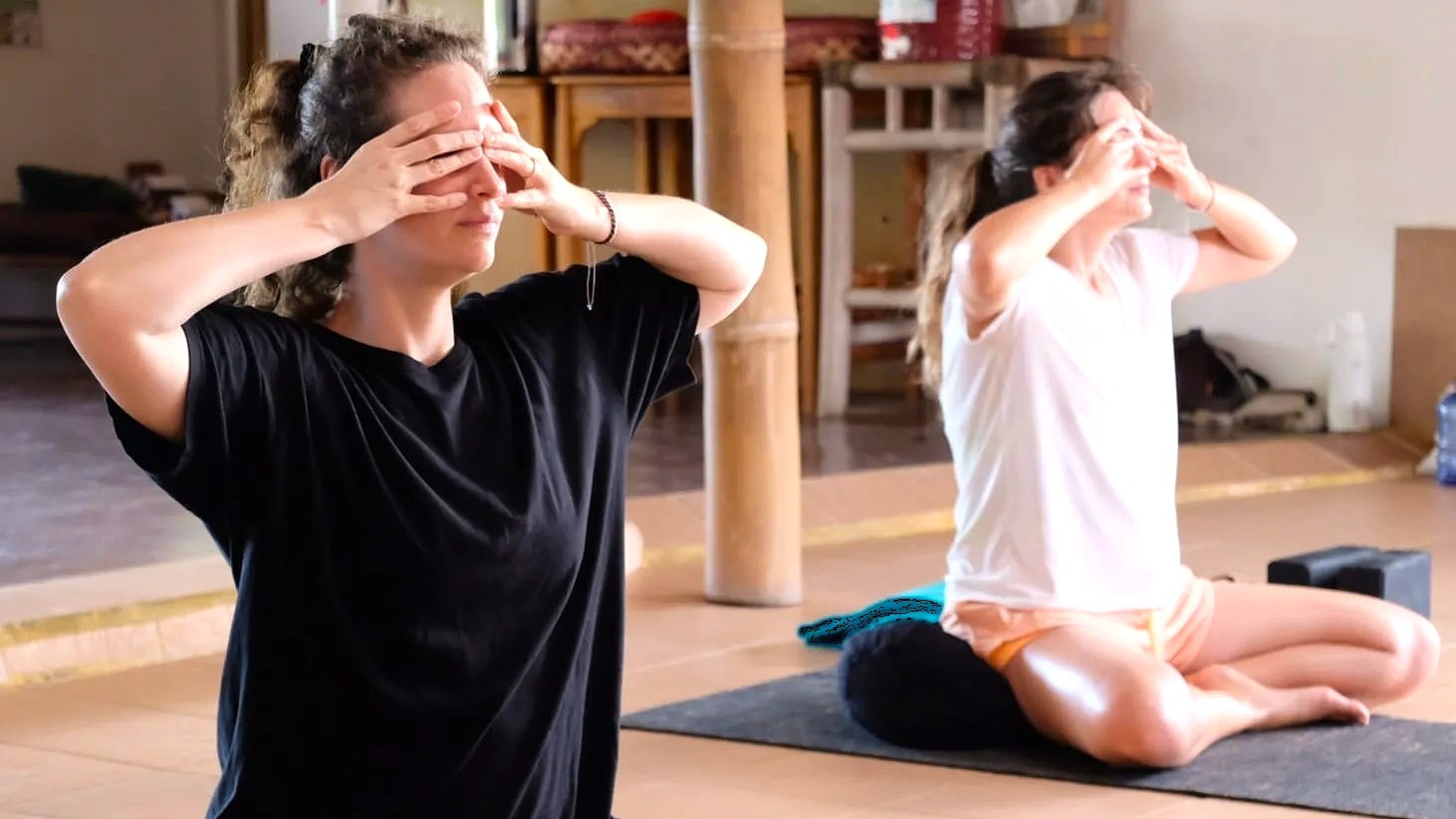
An integral part of the knowledge of a Vedic psychologist in your work can be presented as complementary elements within broader therapeutic programs and a spiritual framework focused on self-awareness, holistic guidance, and finding a deep balance in life. Such approaches should be clearly distinguished from regulated medical psychological treatment on the part of Western school medicine, within the legal scope applicable in the country of practice.
Vedic psychology education is therapeutically focused on supporting individuals experiencing everyday stress, emotional difficulties, anxiety-related concerns, difficulties with concentration, and challenges in managing excessive worry. In Vedic psychology, the mind and body are viewed as an interconnected system, meaning mental well-being is directly tied to physical health. To support this holistic balance, the practice integrates several somatic (body-based) and stress-reduction techniques:
- Pranayama & Meditation – These practices regulate the nervous system, lower cortisol levels, and stimulate the vagus nerve to promote deep relaxation.
- Mindfulness – This helps individuals cultivate present-moment awareness, reducing the mental chatter and anxiety that often manifest as physical tension.
- Movement & Relaxation – Gentle, intentional movements (like Yoga asanas or Tibetan practical exercises), act as mechanical pumps for the body. They physically encourage healthy blood circulation and lymphatic drainage, which helps clear toxins and reduces systemic inflammation.
- Nature-based activities, including walking in natural or forest therapy (individually or in groups) environments, are common therapies aimed at achieving care for identity, meaning supporting a person’s core sense of self, values, and background.
Practitioners of Vedic psychology may, depending on the nature of their professional activity and the legislation of the country in which they operate, provide non-clinical consultations remotely through online communication platforms such as WhatsApp or Messenger. This type of professional activity may provide flexible working hours and may be suitable for individuals who wish to combine part-time professional work with other employment.
Graduates in Vedic Psychology may choose different professional environments according to their individual goals, including local communities, larger organizations, educational settings, private companies, or self-employment.
- The initial process is purchasing – The Book Through Despair, Hope, Faith, and Love is also a Handbook for mental and spiritual health. The Book / Handbook is an important material for learning Vedic Psychology – this purchase includes a two-hour interview before enrollment via Messenger or WhatsApp.
- As part of the interview, we agree on the level at which you will begin your education and at what level you will graduate as a Vedic Psychology practitioner (first level – one school year). We also agree on the possibility and method of payment.
Important!
Learning for a Vedic Psychologist – that learning depends on your academic education and knowledge of Traditional medicine, and esotericism of knowledge. Specialized education for those pursuing a Doctorate in Vedic counselling, in TCIM, generally requires an additional three to five years of focused study. Most of the training for a practitioner of Vedic psychology takes place via online communication platforms such as WhatsApp or Messenger. In the final part of the learning process, before the awarding of the Diploma and document, the bachelor’s / master’s degree thesis practical learning is extremely important!
Candidates who have completed at least the first Bologna cycle of higher education (180 ECTS credits) in any field – or hold an equivalent qualification – may enroll in the Vedic Psychology doctoral program. Candidates who completed (first level – one school year) the Institute, Ayur Ashram – study, will have their eligibility for enrollment assessed into doctoral studies in an individual basis.
Applicants holding secondary school qualifications, higher education degrees, or doctoral degrees in medical sciences (Western medicine) may have enhanced opportunities to pursue doctoral studies within the Institute, Ayur Ashram.
Pricing Structure
- Weekend meeting (two to three days); the introductory meeting is FREE of charge. This time is also dedicated to getting to know the student and establishing the mentorship. There is no obligation to enrol following the live practical presentation.
- Upon enrolment, you receive a handbook and other written materials for the educational process (a career portfolio) in the field of traditional medicine. This process and the registration (the portfolio) of the student as an education client include the production of a Diploma / Certificate and cost €200.
- Depending on the participant’s prior knowledge and the path toward professional practice in their local area, training costs range from €800 to €1,200 (Level 1).
- A doctoral study program in Vedic psychology or related Vedic sciences typically lasts two to three years and includes an introductory additional year of coursework, followed by specialized education and research – ranging from €2,200 to €2,500 (Level 2).
- Payment in instalments during the training period is possible. If two students participate in the practical training, the price is reduced by 20%; if four students participate, the price is reduced by 30% of the estimated cost.
Doctoral programs in this field successfully combine ancient Vedic insights with state-of-the-art methods from modern science. Students learn to use complex statistical models to study the impact of Vedic techniques (such as meditation, pranayama, and yoga) on the human psyche. They develop rigorous scientific experiments to test the effectiveness of Vedic approaches compared to conventional psychological therapies. Technologies such as EEG (brainwave measurement), ECG (heart rate monitoring), and cortisol level measurements are used to demonstrate how Vedic practices physically alter the functioning of the body and brain. An understanding of reincarnation and karma, as well as knowledge of the chakras and the human aura – the life energy that is an integral part of the guna energy of birth and life.
Good to know and important!
Candidate students will be required to submit a medical certificate attesting to their fitness to perform the duties and tasks of a healthcare professional, issued by an occupational health service.
The practical training takes place in Slovenia – at the headquarters of the Institute, Ayur Ashram, or elsewhere in Europe where the Ayur Ashram Institute operates. The educational program also allows students to complete their practical training at a centre in their home location.
What the student needs to know:
- Arranging and paying for travel to Slovenia or to an active Ayur Ashram centre in Europe.
- Handling necessary formalities, including covering all associated costs, if a visa is required for travel to or a stay in Slovenia/Europe.
A selected group of students, an institution, an association, or an individual may invite a mentor to deliver a guest lecture – in furtherance of this educational objective – at a suitable centre in any European country, subject to the following:
- Arrangements for accommodation for the mentor and travel at the destination within the country to the host.
- The provision of suitable premises equipped for educational activities.
Diploma in Naturopathy and Tibetan Medicine (Sowa-Rigpa)
Traces of Naturopathy (program from Ayurvedic medicine and Tibetan medicine / Sowa-Rigpa) can be found around 400 BC. It was established in Europe in the second half of the 19th century. The education in Naturopathic medicine ranges from a degree for a therapist of naturopathy (a 1 + 1 year system) to a PhD in Naturopathy (a 3 + 1 + 1 + 1 year system) – depending on your education / knowledge in Traditional, Complementary, and Integrative Medicine (TCIM).
In Naturopathic medicine, various therapeutic methods are used and taught – basic program / study (a 1 + 1 year system): Diagnostics, Acupressure, Acupuncture, Hydrotherapy, Various Massage Techniques, and Nutrition. Phytotherapy and other alternative treatments address problems such as Allergies, Asthma, Low Back Pain, Menstrual Pain, Chronic Fatigue, and many other physical health / vital problems and conditions.
Naturopathy is a distinct system of primary healthcare that blends modern scientific knowledge with traditional, natural forms of medicine. It focuses on the body’s inherent wisdom to heal itself, focusing heavily on education, prevention, and lifestyle modifications.
As part of the study of Naturopathy (a 3 + 1 + 1 + 1 year system), attaining the title of naturopath Doctor (ND / PhD), we will focus on clinical practice and ethics of naturopathic medicine (integration of naturopathy with conventional medicine); practical application of acupuncture, massage, and physical exercises in the treatment of diseases (treatment planning and therapeutic protocols, the role of counselling in naturopathic therapy); techniques for working on body fluids: Blood – Lymph – Cerebrospinal fluid.
Upgrade of the program / study (a 3 + 1 + 1 + 1 year system) to a PhD Menpa – doctor of Tibetan Medicine Sowa-Rigpa. The education and learning of Sowa-Rigpa is as follows – a mandatory (a 1 + 1 year study system) of Naturopathic Medicine. As part of the study, we will focus on diagnostic methods in Eastern medicine (pulse diagnostics, tongue analysis, visual examination, palpation, history, analysis of body functions and secretions, five element diagnostic method).
Basic Principles of Tibetan medicine (Sowa-Rigpa), which translates directly to the “Science of Healing,” is one of the world’s oldest continuous medical traditions, dating back over 2,500 years. Rooted in Himalayan culture and heavily intertwined with Buddhist philosophy, its foundational text is the Gyud-Zhi (The Four Tantras).
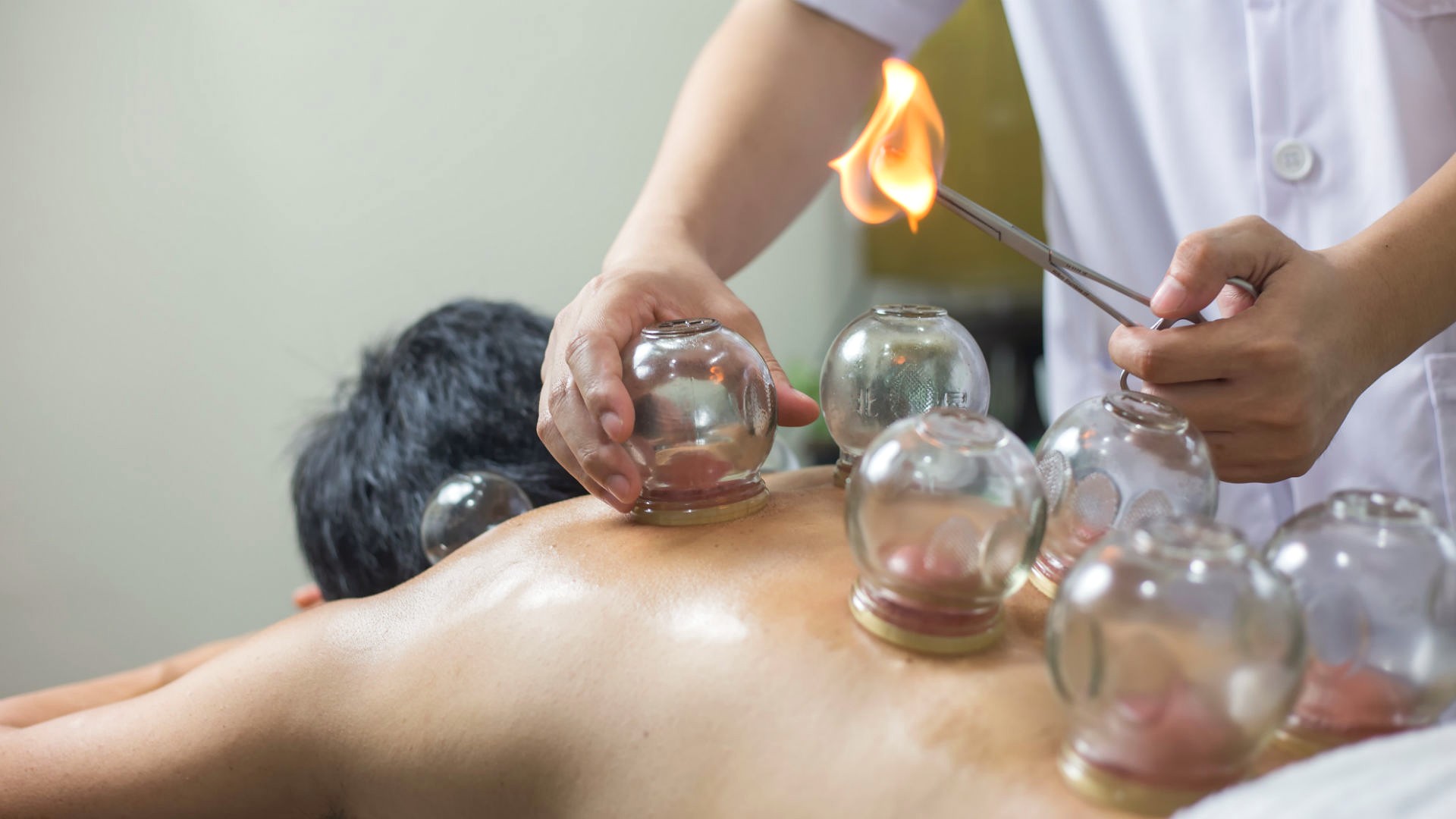
Energy therapies as part of several meditation techniques and physical techniques, Qi Gong and Tai Chi (exercises for balancing and strengthening Qi energy, integration of energy exercises in everyday life). Moxibustion and Cupping (vacuum therapy) – technique of heating acupuncture points with dry herbs (wormwood) – application of vacuum cups to stimulate blood flow and release stagnant energy.
An important starting point of the training is learning various massage techniques and the principles of nutrition in Eastern medicine; this includes the fundamental principles of natural nutrition (cold/warm, damp/dry), the connection between diet and health (disease prevention through nutrition), tailoring food to the body’s energetic needs, the use of natural dietary supplements, and the role of spices, herbs, and teas in the daily diet.
Healing techniques in Sowa-Rigpa not only promote a deep state of relaxation but also work directly on the nervous system, helping to regulate stress, tension, and internal imbalances. Physicians are expected to cultivate deep compassion, altruism, and wisdom while treating all patients equally, regardless of their ability to pay, reflecting Buddhist principles.
Training and education have always been a central interest throughout the history of Tibetan medicine and Buddhism and are influenced by the Buddhist tradition. They were first mainly given by elders or scholar physicians who freely trained young people on the Buddhist basis of ethical and moral responsibility to save one’s own and others’ lives. Therefore, physicians have gained respect in Tibetan society.
Education in traditional Tibetan medicine Sowa-Rigpa encompasses ancient and modern holistic health systems, such as acupuncture and herbal therapy. The curriculum covers fundamental disciplines – anatomy, physiology, nutrition, and diagnostics – as well as specialized areas, including plant-based preparations, herbal blends, and acupuncture points. This will qualify you as a professional acupuncturist, with additional manual skills and by drawing on your warm and good-natured disposition.
Important!
Candidates who have completed at least the first Bologna cycle of higher education (180 ECTS credits) in any field – or hold an equivalent qualification – may enroll program. Applicants holding secondary school qualifications, higher education degrees, or doctoral degrees in medical sciences (Western medicine) may have enhanced opportunities to pursue doctoral studies within the Institute, Ayur Ashram.
For candidates who completed the first level program / study (a 1 + 1 year system) of Natural Medicine studies at the Ayur Ashram Institute, will have their eligibility for enrollment assessed into doctoral studies in an individual basis.
The training leading to a diploma in Naturopathic medicine and Tibetan medicine (Sowa-Rigpa) is a highly specialized course of study. Its duration and structure depend primarily on your prior knowledge, experience with traditional medicine, and understanding of the esoteric and holistic aspects of these disciplines. Specialized education for those pursuing a Doctorate, generally requires an additional program / study (a 3 + 1 + 1 + 1 year system) of focused study, and also includes a mandatory additional study year (first level program / study (a 1 + 1 year system).
Pricing Structure
- Weekend meeting (two to three days); the introductory meeting is FREE of charge. This time is also dedicated to getting to know the student and establishing the mentorship. There is no obligation to enrol following the live practical presentation.
- Upon enrolment, you receive a handbook and other written materials for the educational process (a career portfolio) in the field of traditional medicine. This process and the registration (the portfolio) of the student as an education client include the production of a Diploma / Certificate and cost €200.
- Depending on the participant’s prior knowledge and their path to professional practice in the local area, training costs – within the framework of a postgraduate study program designed to deepen the professional expertise of educators – range from €1.800 to €2,200 (Level 1), an 1 + 1 year study system) focused study of Naturopathic medicine.
- A doctoral study program in Naturopathic medicine and Tibetan medicine (Sowa-Rigpa) – ranging from €2,700 to €2,900 (Level 2), an additional program / study (a 3 + 1 + 1 + 1 year system) focused study of Natural Medicine.
- Payment in instalments during the training period is possible. If two students participate in the practical training, the price is reduced by 20%; if four students participate, the price is reduced by 30% of the estimated cost.
Good to know and important!
There is also the possibility of education in Sikkim.
There is also an opportunity to study in Sikkim, an Indian state with a strong Buddhist character! Sikkim offers exceptional and unique opportunities for learning and study, particularly in fields such as Buddhist studies, the Tibetan language, sustainable development, and organic farming. Although Sikkim is now officially an Indian state (and no longer an independent country), its cultural and spiritual heritage is deeply Buddhist, as it was an independent Buddhist kingdom until 1975.
Candidate students will be required to submit a medical certificate attesting to their fitness to perform the duties and tasks of a healthcare professional, issued by an occupational health service.
The practical training takes place in Slovenia – at the headquarters of the Institute, Ayur Ashram, or elsewhere in Europe where the Ayur Ashram Institute operates. The educational program also allows students to complete their practical training at a model Ayurvedic or Wellness centre in their home location.
What the student needs to know:
- Arranging and paying for travel to Slovenia or to an active Ayur Ashram centre in Europe.
- Handling necessary formalities, including covering all associated costs, if a visa is required for travel to or a stay in Slovenia/Europe.
- Also covering the costs of subsequent visa arrangements, travel, and accommodation for the purpose of educational training in India at a later stage.
A selected group of students, an institution, an association, or an individual may invite a mentor to deliver a guest lecture – in furtherance of this educational objective – at a suitable centre in any European country, subject to the following:
- Arrangements for accommodation for the mentor and travel at the destination within the country to the host.
- The provision of suitable premises equipped for educational activities.
Nadi Pariksha – Pulse diagnosis
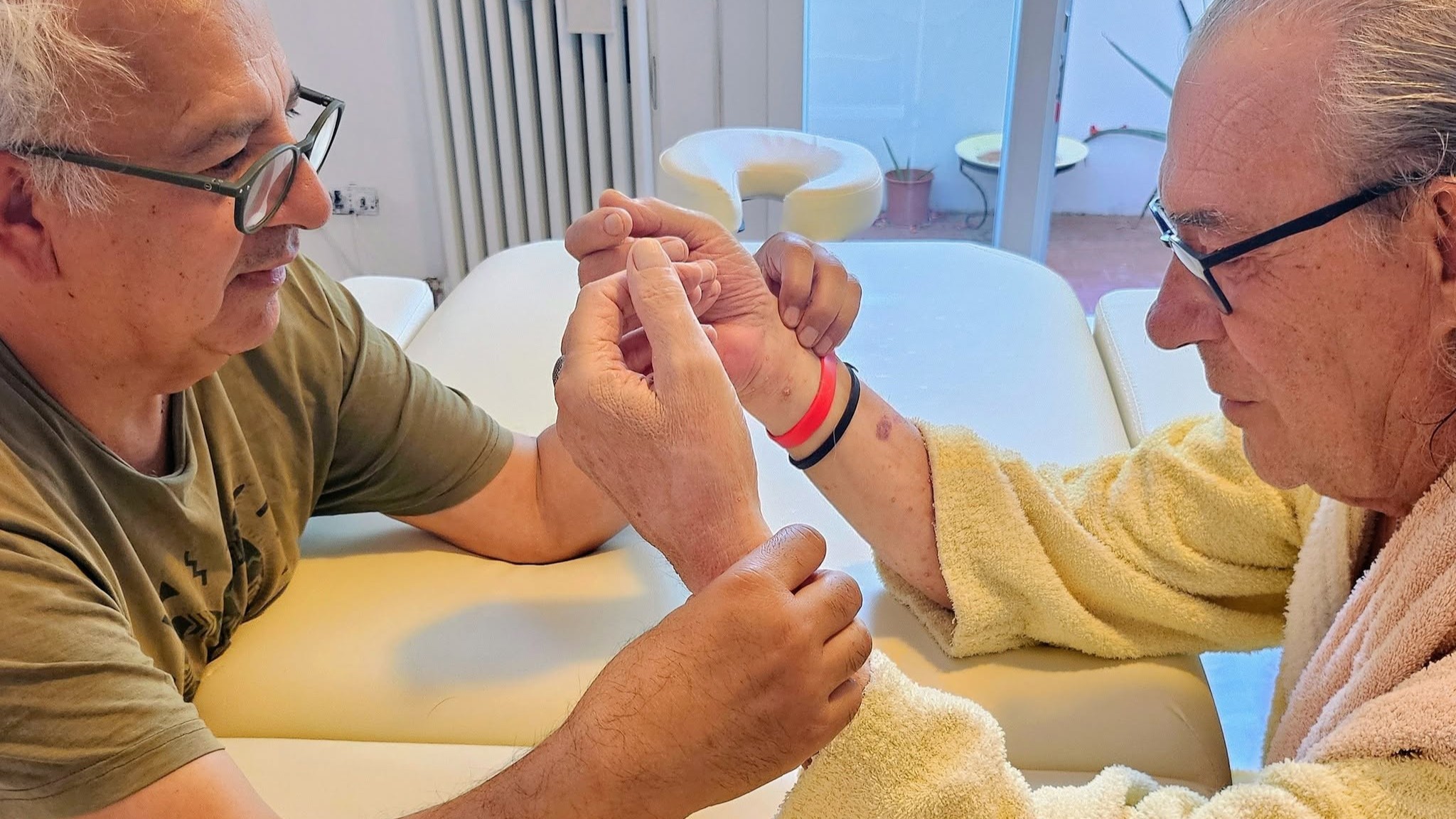
Nadi Pariksha is an ancient Ayurvedic method of diagnosis through pulse examination. By examining the pulse at specific points on the wrist, the practitioner aims to assess the condition of the body and mind, as well as the balance of the three doshas: Vata, Pitta, and Kapha. According to Ayurveda, health is connected to the balance of the doshas, the digestive fire (Agni), and the proper elimination of Ama, which refers to accumulated harmful substances. When Agni is weak, the body may have difficulty digesting food, which can contribute to the accumulation of Ama.
In accordance with fundamental diagnostic principles, a therapeutic approach is required to help eliminate Ama (toxins) from the body, strengthen the digestive fire (Agni), and support a gentle, systematic cleansing process. If Agni is not strong, the body cannot properly process food, which may lead to the formation of new toxins. At the same time, a weakened system may be unable to eliminate Ama that has already accumulated.
Familiarity with Ayurvedic principles will help you grasp specific concepts more quickly, especially if you have an interest in holistic health. One of Ayurveda’s distinctive insights is the concept of the doshas – dynamic forces arising from combinations of the five elements. The doshas are not anatomical structures, but fundamental organizing energies that govern physical and mental processes.
The five elements (Mahabhutas) form the basis of the three doshas:
- Vata (Space + Air) – associated with movement, circulation, communication, and elimination.
- Pitta (Fire + Water) – associated with digestion, metabolism, and transformation.
- Kapha (Water + Earth) – associated with structure, stability, lubrication, and resilience.
Every person has all three doshas, but one or two are usually more dominant. This is known as Prakriti, or an individual’s constitutional type. The doshas are not fixed; they are influenced by diet, lifestyle, stress, emotions, seasons, climate, age, and daily habits. Each dosha is also associated with certain qualities (Gunas):
- Vata + Sattva – associated with creativity and mental clarity; imbalance may be associated with restlessness, dryness, and insomnia.
- Pitta + Rajas – associated with focus, energy, and determination; imbalance may lead to irritability, overheating, and inflammatory complaints.
- Kapha + Tamas – associated with stability, patience, and strength; imbalance may be associated with sluggishness, mucus accumulation, and fluid retention.
Even the environment in which you live, including the climate, Prana (the natural environment in which you live or were born and raised), your home, and the season of the year, may call for adaptation. What works in one circumstance may need to change as your context changes. The five elements and three doshas are fundamental building blocks of Ayurveda’s understanding of the body, mind, and nature.
A successful therapist or practitioner of traditional medicine is expected to have a strong understanding of the body’s meridians and, when performing Nadi Pariksha, an understanding of the importance of bodily fluids – Dhatus and Srotas. These are substances located inside and outside cells that help sustain the body and enable it to function.
- Doshas and Agni – Doshas are body’s three fundamental energy forces Vata, Pitta, and Kapha, and Agni is your inner digestive fire that together control health and wellness in Ayurveda.
- Dhatus and Srotas – Dhatus are the seven fundamental body tissues, and Srotas are the internal channels that transport nutrients, waste, and energy to sustain them.
The body contains seven Dhatus vital tissues that develop sequentially from digested food!/:
- Rasa (Plasma / Nutrient fluid): Nourishes all other tissues and circulates first.
- Rakta (Blood): Provides vitality and carries oxygen/life force.
- Mamsa (Muscle): Covers and protects organs, enabling movement.
- Meda (Fat / Adipose): Provides lubrication and insulation.
- Asthi (Bone): Offers structural support and framework.
- Majja (Bone Marrow / Nervous system): Fills bone cavities and supports the nervous system.
- Shukra (Reproductive tissue): Contains the essence of all tissues and vitality.
The Role of Srotas (Channels)!/:
- Srotas are microscopic or macroscopic transport channels derived from the root sru (to flow, leak, or secrete).
- They carry nutrients to specific Dhatus, remove metabolic wastes (Malas: Purisha (Faeces), Mutra (Urine), and Sveda (Sweat), and facilitate communication for the life energies (Doshas).
- Every Dhatu has its own dedicated set of transport channels (Srotovaha Srotas).
- When a channel becomes blocked or damaged (Sroto Dusti), it impairs tissue nourishment and causes disease
The aim of Nadi Pariksha is to understand the overall condition of the body and identify possible imbalances, rather than focusing only on individual symptoms. The comprehensive training curriculum is designed to enhance your professional expertise, particularly for those training at the Ayur Ashram Institute and pursuing a career in traditional medicine.
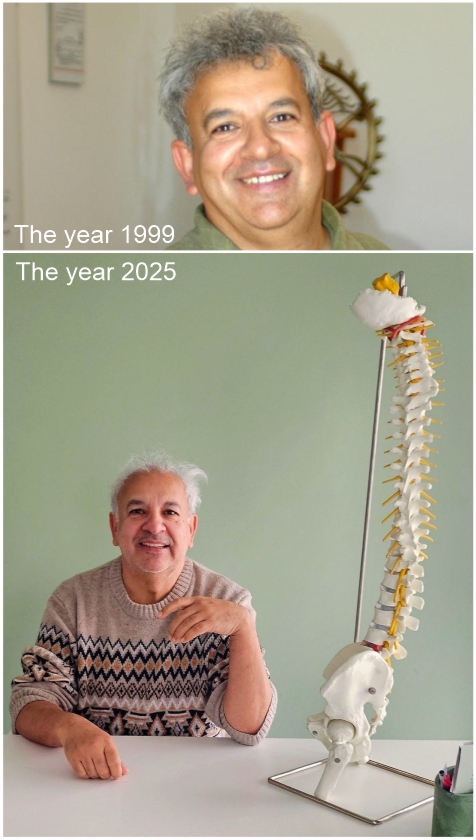
Building meaningful relationships make life worth Living
In life, it is important to pause in moments when our soul wishes to communicate with us or guide us toward joy – moments when we stop and listen to our inner voice leading us toward peace and joy. For the most part, a person “lives” by dwelling on the past! Reflecting on our achievements and life’s challenges helps us build resilience and find deeper purpose. The first priority in life should be “today” so that we may be happy in all circumstances.
Life teaches us through inner intuition when we hesitate or resist our life’s path. Yet, the Universe never burdens us with more than we can bear. I always tell people to make the necessary changes themselves, because intervention by the Universe will be a cruel and painful experience – the kind that will most likely change their lives. One always needs to be honest with themselves when navigating their lives. It is our lives, we need to ensure that we walk a path that is beneficial for our peace, growth and life experience.
To be happy today is the foundation of the Future
Smajo Safić Gupta, Prof. Vaidya dr. Menpa