Education at Institute, Ayur Ashram
We offer programs for individuals and groups interested in deepening their knowledge and practice of traditional integrative therapies, aiming to improve both their personal and professional lives. Our education is open to everyone – whether you are seeking personal growth, looking to begin your traditional medicine journey in your own environment, or enhancing your existing therapeutic or medical practice.
Our program is structured without formal exams during the study period, with a strong emphasis on practical learning. The learning takes place through a combination of group and individual study. It is important that first- or second-year students study at the Institute, Ayur Ashram in Slovenia, Europe – or that a selected group of students invite us to conduct a guest lecture at a suitable center for this educational purpose in any European country.
The final certification (Panchakarma program, but for doctoral studies, B.AM.S.) includes a board examination and practical assessment that form part of the final diploma defense. It takes place in India under the professional partner (described and documented in the MOU contract) of the Institute, Ayur Ashram. Training focuses on practical experience – students observe mentors working directly with clients or patients. This visual and practical hands-on learning strengthens memory and understanding, helping future therapists or physicians apply therapeutic knowledge more effectively.
In addition to long-term education, we also offer shorter workshops and courses, ideal for those seeking essential knowledge for a higher quality of life or work. These programs are suitable both for professionals in therapeutic fields and for individuals who want to apply traditional wisdom in their daily lives – to support health, vitality, and happiness. Special learning under the mentorship of Smajo Safić Gupta and Prof. Vaidya dr. Menpa, from basic knowledge to a doctorate, includes:
- Learning Nadi Pariksha (Ayurvedic pulse diagnosis) involves mastering the tactile art of feeling subtle vibrations in the radial artery to assess the physical, mental, and energetic imbalances of the client.
- Learning Ayurvedic Massage & Ayurvedic Therapy from the ground up involves practicing traditional foundational strokes with warm medicinal oils and studying core principles such as Marma points. Becoming an Ayurvedic massage therapist requires understanding the constitutional body types (Doshas – means human health / bodily fluids) and mastering specific traditional therapies such as Abhyanga, Mukha Abhyanga, Udvartana, Pinda Sweda, Hastabhyanga, Padabhyanga, and Shirodhara through structured study and hands-on training.
- Learning Vedic Psychology, which has its roots in the ancient Indian scriptural and philosophical tradition, offers profound insights into human consciousness, mental processes, and the purpose of life. Its holistic and integrative framework addresses not only disorders but the entire spectrum of mental health and self-realization.
- Special learning in Naturopathy and Tibetan Medicine (Sowa-Rigpa) shares a core focus on holistic healing, lifestyle balance, and the body’s natural capacity to heal, although these systems originate from distinct cultural and philosophical traditions. In this education, you will learn about Tibetan Medicine, its core principles, and the importance of balance for health. Tibetan medicine teaches that the mind and body are deeply connected.
Building meaningful relationships make life worth Living
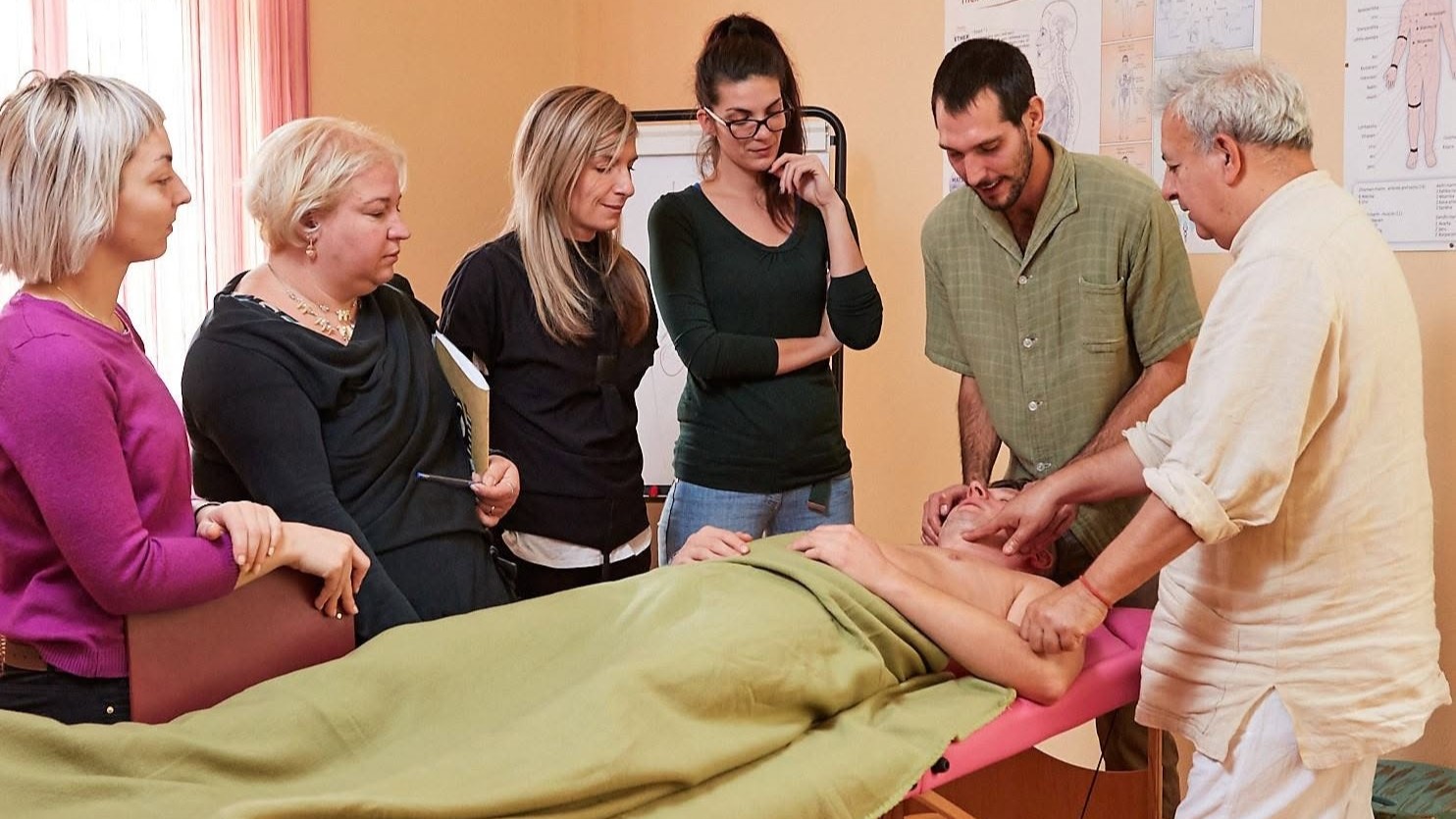
A well-educated and conscientious specialist is the wealth of the state and the environment in which they live and work. Welcome to the desired education! We provide students with clear, proven, and effective pathways to successfully study at the Institute, Ayur Ashram.
Diploma in Ayurvedic Therapist – Masseuse and Masseur you will assess clients’ needs, develop treatment plans based on Ayurvedic principles, and administer therapies such as massage, dietary advice, and lifestyle recommendations. The Ayurvedic practice of Abhyanga, or oil massage, offers physical benefits such as relieving muscle tension, promoting lymphatic drainage, and nourishing the skin from head to toe. It stands out from other types of massage due to its focus on the skin rather than just the underlying muscles. From the medicinal oils used to the circulation-stimulating movements, it is more like a facial treatment for the entire body. The degree signifies implies adherence to ethical standards, scope of practice, and client record‑keeping.
A Panchakarma Specialist Therapist, Ayurvedic Technician, or Wellness Consultant is an Ayurvedic healthcare professional trained in traditional detoxification and rejuvenation therapies designed to eliminate toxins and balance the body’s doshas (Vata, Pitta, and Kapha). As a healthcare professional, you will perform specialized treatments like Abhyanga (oil massage), Swedana (herbal steam), Shirodhara (oil pouring on the forehead), Basti (enema therapy), and Nasya (nasal drops), and other therapeutic procedures that are an integral part of the Panchakarma program.
Becoming an Ayurvedic doctor (Bachelor of Ayurvedic Medicine and Surgery – B.A.M.S.) requires completing a 5.5-year undergraduate medical degree that trains students in traditional Ayurvedic medicine combined with elements of modern science. It includes the use of herbal compounds, minerals, and traditional diagnostic methods alongside foundational modern medical training. It is a professional degree focused on Ayurveda and is offered in India, Nepal, Bangladesh, and Sri Lanka.
Vedic psychology education focuses therapeutically on supporting individuals dealing with daily stress, emotional difficulties, anxiety, concentration issues, and challenges in managing excessive worry. The knowledge employed by a Vedic psychologist can be integrated as a complementary element into broader therapeutic programs and spiritual frameworks centered on self-awareness and the pursuit of deep inner and life balance. Such approaches must be clearly distinguished from the regulated medical-psychological treatment provided by conventional Western medicine within the framework of the country where the activity takes place, for the benefit of the client.
Special learning in Naturopathy and Tibetan Medicine (Sowa-Rigpa) shares a core focus on holistic healing, lifestyle balance, and the body’s natural capacity to heal, although these systems originate from distinct cultural and philosophical traditions. In this education, you will learn about Tibetan Medicine, its core principles, and the importance of balance for health. Tibetan medicine teaches that the mind and body are deeply connected.
Academic credits earned through the Institute, Ayur Ashram, can be recognized for studies in Asia. Through legislation under the World Health Organization (WHO), Ayurveda – India, as well as Sowa-Rigpa – Tibet, are recognized as traditional systems for the prevention and integrative treatment of chronic diseases.
Legal documents are harmonized with the sources from which this knowledge originates, under the Indian Ministry of Traditional Medicine – AYUSH (Ayurveda, Yoga and Naturopathy, Unani, Siddha, and Homeopathy). Certificates and diplomas are valid in some countries outside Asia, depending on the regulations of the respective Ministry of Health or Ministry of Culture and the Human Health Insurance system in Europe.
Students should be aware that the learning and study process for becoming an Ayurvedic doctor (B.A.M.S.) and for specialized learning in Naturopathy and Tibetan Medicine (Sowa-Rigpa) requires the completion of practical training in India, Nepal, or Tibet with a specific mentor, in an institution approved by a Consortium partner (described and documented in the MOU contract), and in accordance with AYUSH standards.
Today, Indian medicine Ayurveda, and Tibetan medicine Sowa-Rigpa hold an important place in the field of future medicine. Both systems consider the physical body as the crystallization of deeply rooted mental tendencies carried over from previous lives.
This confirms that the mind is a reflection of the body and a repository of impressions accessed through our senses. It also means that we can realize our true self and eternal nature beyond the mind-body unity, where all physical and mental problems originate, through understanding our Ayur-Life and Path-Karma.
The profound and sophisticated form of spiritual astrology (Vedic psychology) derived from ancient Vedic traditions, helps us realistically assess our strengths and challenges, enabling us to optimize our full potential. It gives us the confidence to manifest our true destiny, allowing us to create success, happiness, and harmony across all levels of Ayur (Life).
Through practical training, students are guided toward developing sensitivity and awareness for others, which forms the foundation of therapeutic work. It is also important to mention that, throughout the course of study, students gain a form of inner reward by increasing awareness of their own creative growth and achieving a sense of inner (identity) satisfaction. Practical training takes place at the locations where the Institute, Ayur Ashram, operates: Slovenia, India, Nepal, and Tibet.
The learning process focuses on identifying the causes of weakness and difficulty in human beings that arise from the denial of optimism, hope, and happiness, all of which are essential for one’s identity and the healthy functioning of Life. Therapeutic work is based on mutual respect and equality, through which clients are supported in achieving strong and vital Health.
Objective of Learning Ayurvedic Medicine
Ayurvedic medicine entails three phases of healing or managing the state of illness. The Ayurvedic expert determines the parameters of the Doshas (which represent the constitutional principles of health) through Nadi (examination) and Pariksha (diagnosis), while also identifying the causes (Vikruti) of illness and restoring balance to the Doshas and the Elements.
- These are Samsodhana (the process of cleansing)
- Samsamana (palliative care), and
- finally, Nidanaparivarjana (the treatment of causes).
In this way, it not only helps to discover the root cause of the physical condition, but also supports the healing of the human soul and consciousness by addressing the characteristics that are often the underlying causes of illness or various bodily conditions. Without a deeper understanding of Ayurveda, many people believe that we, as individuals, can be strictly categorized into one of the three Doshas (which represent the constitutional principles of health): Vata, Pitta, and Kapha, whereas we are actually composed of all three Doshas.
Ayurveda teaches that consciousness is the energy of health, which works through all five basic Elements, or Panchatattva
- Ether – Akashatatva
- Air – Vayutatva
- Fire – Agnitatva
- Water – Apastatva
- Earth – Prithvitatva.
When a person’s organism is healthy, all five elements are in balance, but when this balance is disturbed, illness develops.
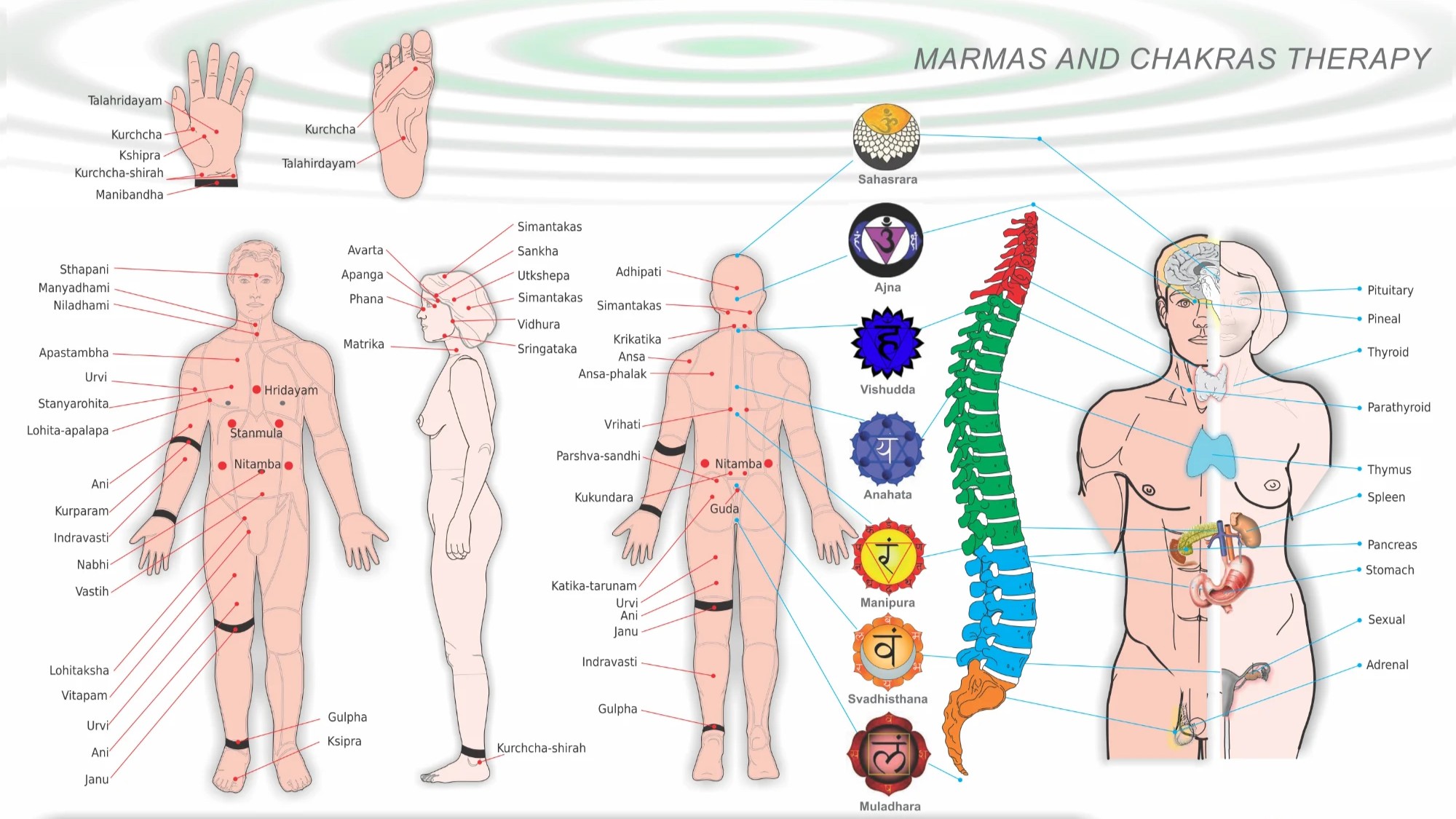
Marma Anatomy – the body’s vital points and fields – is the key to understanding the Doshas. These are the areas of the body through which vital fluids flow via the muscles, veins, arteries, bones, and joints. Marmas can be described as intersections between the physical, psychic, astral, and spiritual bodies. A skilled traditional practitioner, through pulse diagnosis (Nadi Pariksha), prescribes therapeutic processes to balance the health of all three Doshas – Vata, Pitta, and Kapha – along the pathways through which vital fluids flow to the organs and glands.
Furthermore, it is essential that the client/patient, whether for preventive or curative purposes, receives guidance regarding eating habits and lifestyle. They are prescribed a Food / Diet plan based on their Prana Life environment, covering every step from food preparation to consumption. The Food / Diet plan is designed to balance Prana and the life qualities (Guna) that are shaped by birth, culture, upbringing, and nutrition, and which either support or diminish vital and immune health
- Sattva Vata Guna food that sustains the body
- Rajas Pitta Guna food that creates and develops the body; and
- Tamas Kapha Guna food that weakens or destroys the body.
Ayurveda medicine draws foundational concepts and methods from all six orthodox (Astika) schools of Indian philosophy:
- Samkhya: Provides the core metaphysical framework for creation, the manifestation of the universe, and the concept of Prakriti (nature).
- Yoga: Offers the practical, psychological, and internal realization techniques used to balance the mind and body.
- Nyaya: Supplies the scientific and logical framework (Pramana) for clinical observation, diagnosis, and valid inquiry.
- Vaisheshika: Contributes the atomic theory and a detailed classification of the physical world, substances, and properties (dravya).
- Mimamsa: Informs the ethical performance of duties, lifestyle regimens, and daily rituals for health.
- Vedanta: Shapes the spiritual and holistic understanding of consciousness, the self (Atman), and ultimate liberation (Moksha).
Samkhya literally means “to calculate” and is a philosophical system that explains the relationship between the eternal and unchanging soul (Purusha) and the ever-changing primordial matter (Prakriti). Samkhya’s theory of creation specifically maps onto the formation of the Doshas (Vata, Pitta, Kapha).
Each of these six philosophical traditions belongs to the oldest bodies of knowledge, originally transmitted orally by the ancient sages known as the Rishis. Today, this knowledge can also be studied through the teachings of Sushruta, the ancient Indian physician and surgeon who made significant contributions to the fields of plastic and cataract surgery.
Ayurveda medicina is a traditional and complementary system of medicine whose educational and legal status varies widely by country. While fully institutionalized as formal medical degrees in countries like India, Sri Lanka and Nepal. This means that graduates in traditional medicine are guaranteed employment – both in private practice and in official institutions or hospitals – in the listed countries.
In Europe it is governed locally under complementary medicine laws rather than as a standard biomedical practice. Listed in the Complementary and Alternative Medicine Act as a recognized system, permitting practice by qualified individuals who meet specific healthcare education or licensing criteria. The World Health Organization provides international benchmarks for training, while bodies like the Ministry of AYUSH oversee official standardization in India.
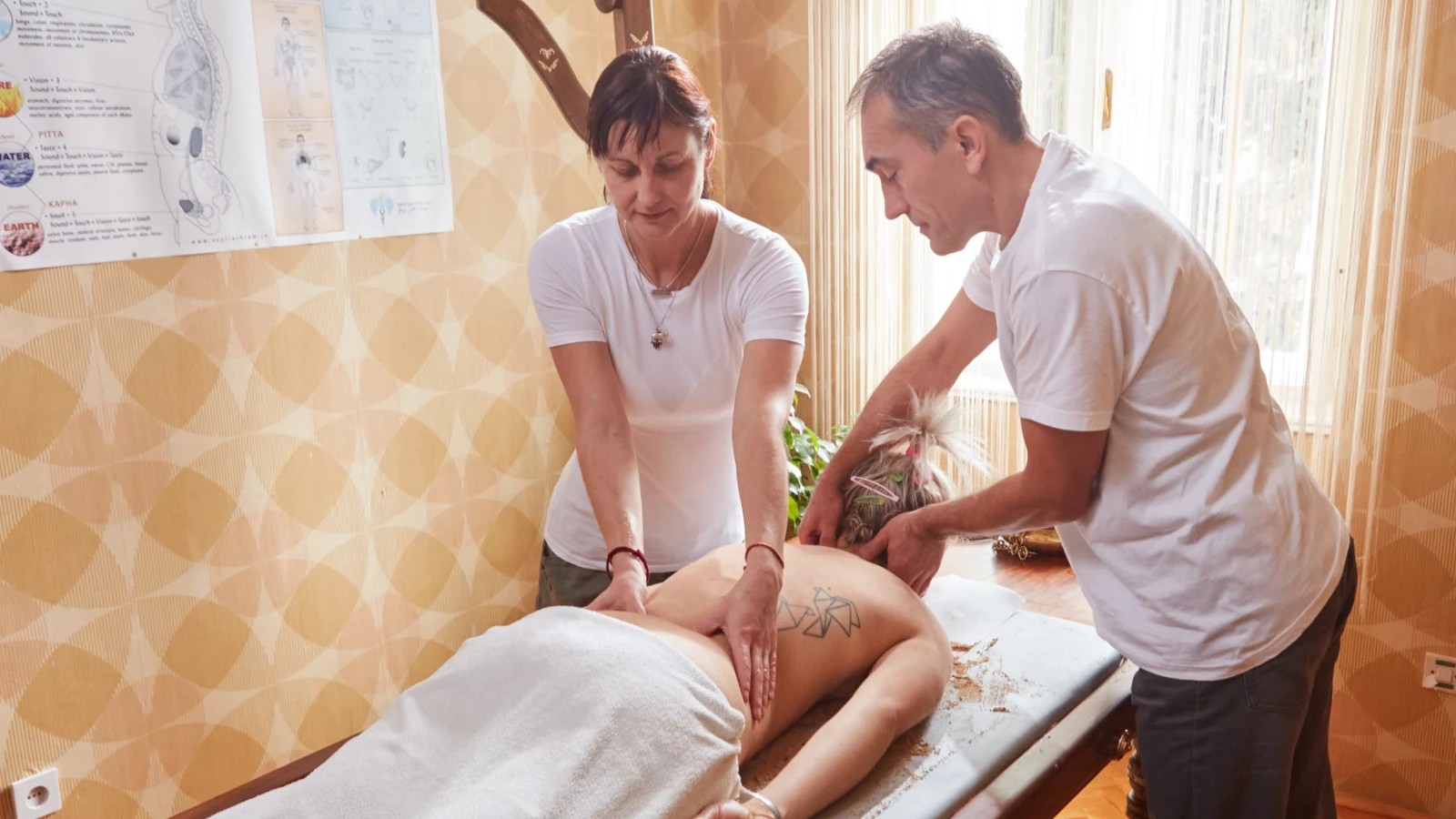
Diploma in Ayurvedic Therapist – Masseuse and Masseur, the educational curriculum includes the following core areas:
- Human Anatomy and Physiology
- Psychology
- Various Manual Therapy Techniques
- Ayurvedic Communication
- Development of subtle diagnostic and therapeutic skills related to the intangible dimensions of the human being, such as the Soul, Spirit, Intellect, Will, Conscience, Mind, and Emotions.
Students will receive training in various Ayurvedic massage techniques, including Rubbing and Marma Therapy, as well as foundational practices in Yoga and Meditation. Upon completion of this foundational program, students may pursue advanced studies through the Diploma a Panchakarma Specialist Therapist, Ayurvedic Technician or Wellness, which focuses on specialized Ayurvedic detoxification and rejuvenation therapies, including:
- Pharmacology for Therapy
- Pharmaceutical Science
- Pathology
- Toxicology
- Medicinal Functions of Integrative Procedures for the Panchakarma Program.
After obtaining the Diploma in Ayurvedic Therapist – Masseuse and Masseur, welcome to the Diploma a Panchakarma Specialist Therapist, Ayurvedic Technician or Wellness. The educational program covers the following key areas:
- Ayurvedic Psychosomatics and Diagnostics
- Foundational Principles of Ayurvedic Treatment
- Various Manual Therapy Techniques
- Dietary Approaches integrated with the practical use of medicinal herbs and spices, particularly focused on the digestive system.
Upon completion of the practical training, students within the Institute, Ayur Ashram may continue their academic development through the advanced Ayurveda Physician study program – B.A.M.S. (Bachelor of Ayurvedic Medicine and Surgery). This includes specialized modules and advanced studies in Human Anatomy and Physiology in India, including:
- Ayurvedic Psychotherapy and Counselling
- Detoxification Therapies and Their Protocols
- History and Philosophy of Ayurvedic Medicine
- Philosophy of Language in Ayurvedic Medical Thought
- Advanced Studies in Human Anatomy and Physiology.
Students enrolled in the B.A.M.S. program should be aware that the course of study is academically and clinically demanding. Completion of practical training in India is mandatory and must be carried out under the supervision of an assigned mentor at an institution approved by the Consortium partner (as described and documented in the MOU contract) of the Institute, Ayur Ashram, in accordance with AYUSH regulatory standards.
An advanced Ayurveda Physician or practitioner study program is an intensive clinical training curriculum for medical professionals or certified Ayurvedic practitioners seeking to master disease management, advanced pulse diagnosis, and integrative Western medicine & Ayurvedic medicine.
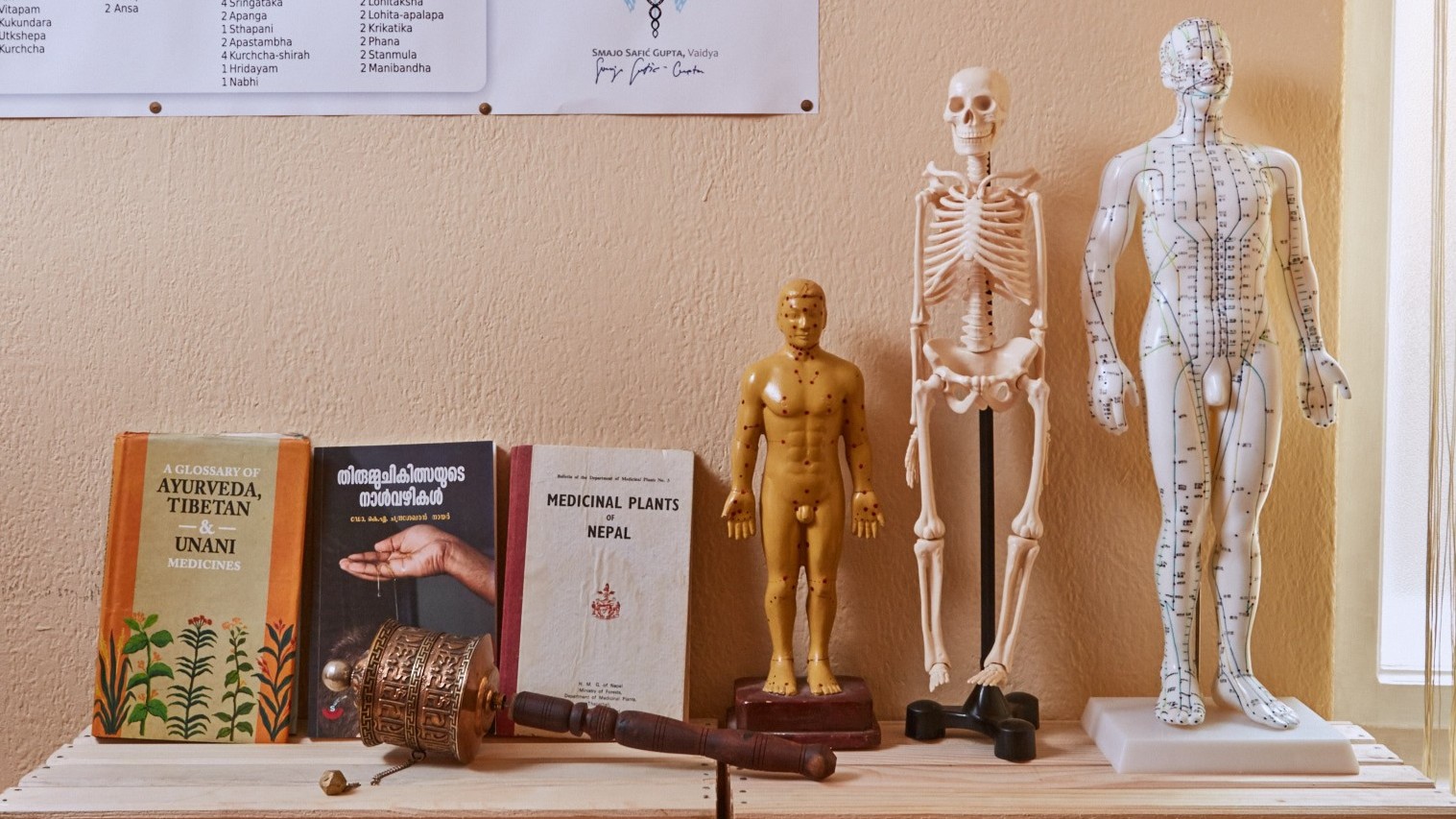
After obtaining the Diploma a Panchakarma Specialist Therapist, Ayurvedic Technician or Wellness, you are welcome to begin “distance education” for the Doctor’s degree. “Distance” means that you study and communicate with selected mentors in India. The educational program covers the following key areas:
- Pharmacognosy / Botany
- Pathology
- Pharmacy and Medicine
- General Medicine
- Physiology
- Biology
- Basic Principles and Ethics
- General Surgery
- Paediatrics
- Anatomy
- Diseases of the Eyes, Ears, Nose, Throat, and Head
- Hygiene & Yoga
- Body Cleansing
- Toxicology
- Gynaecology
- Psychotherapy
- Science of Rejuvenation / Science of Aphrodisiacs.
Learning is a complex psychological process of behavioural change based on acquired knowledge and experience. This progress is already evident through the knowledge gained during the First levels (Diploma in Ayurvedic Therapist – Masseuse and Masseur), and Second Levels (Diploma a Panchakarma Specialist Therapist, Ayurvedic Technician or Wellness) of education, as well as through each participant’s demonstrated experience and professional background presented in their CV.
Completion of practical training in India is mandatory and must be conducted under the supervision of an assigned mentor at an institution approved by the Consortium partner (as described and documented in the MOU contract) of the Institute, Ayur Ashram, in accordance with AYUSH regulatory standards.
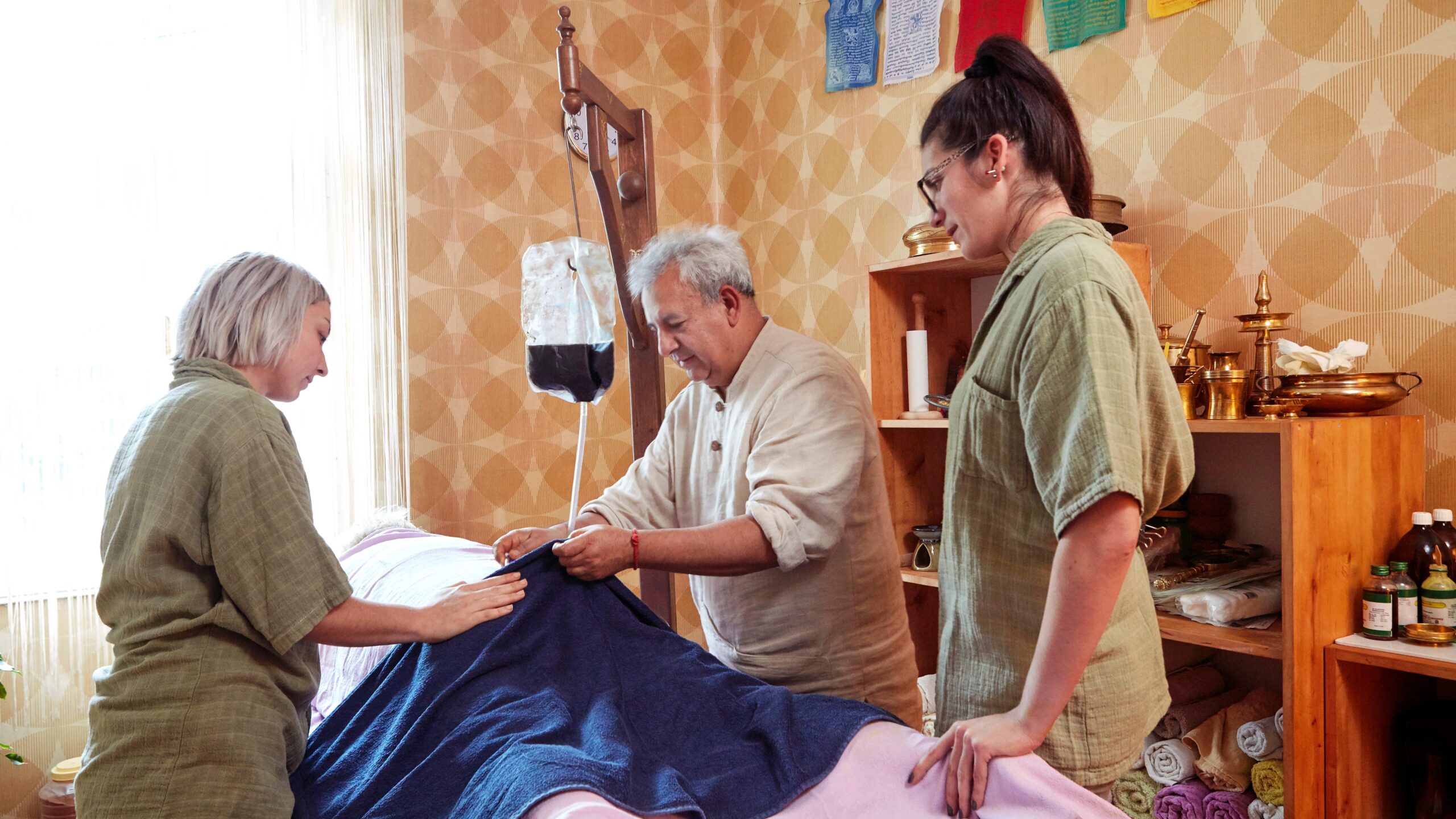
The objective of studying Tibetan Medicine, known as Sowa-Rigpa
With a living history, Sowa-Rigpa (the science of healing) continues to be widely practiced in regions such as Tibet, Mongolia, Bhutan, Nepal, parts of China, the Himalayan regions of India (including Ladakh in Jammu & Kashmir), Siberia, and increasingly in developed countries, including the USA and parts of Europe. Tibetan Medicine or referred to as Amchi Medicine – is to gain a comprehensive understanding of one of the world’s oldest continuously practiced healing systems.
In Tibetan Medicine, herbal-based remedies are primarily used, including compresses made from herbs, berries, leaves, and roots that grow in specific locations and are harvested at specific times of the day and year. Therefore, these medicines are natural in the fullest sense of the word.
In contrast to the approach of Western medicine, Tibetan Medicine does not focus on external invaders (such as viruses or bacteria), but rather works on restoring the body’s energetic balance, which – when properly established and maintained – supports resistance to disease. Because the mind contains 84,000 afflictive emotions, it is believed to give rise to the same number of diseases.
In Tibetan Medicine, diagnosis is called Ngozen, meaning “to recognize” or “to identify.” Treatment is tailored to each individual, with the first message to the patient being that illness is connected with the mind. This does not mean that illness is imagined, but rather that lifestyle and internal balance may require attention. Lifestyle adjustments are recommended, including spiritual practice, physical exercise, and the reorganization of daily habits such as sleeping, eating, and time management.
The human body is thoroughly explained in Sowa-Rigpa, with chapters dedicated to embryology, anatomy, physiology, and neurology, describing the functions of each organ and body part – maps the human body using a famous “Tree of Medical Tantras” Metaphor. It compares the body’s development, structure, and function to a living tree, dividing life and health into detailed chapters on conception, physical parts, channels, and life-force energies. The Tree Metaphor:
- Roots – represent the root causes of health and disease, including the three mental poisons (attachment, anger, ignorance) and the body’s foundational humors (Lung, Tripa, Beken). Explains how life begins, tracking weekly and monthly stages of fetal growth in the womb.
- Trunk – represents the body itself, growing from conception into a complete physical form. Details the formation of tissues, bones, blood, and vital/bowel organs.
- Branches and Leaves – represent anatomy, physiology, developmental stages, and the network of channels sustaining life. Maps the subtle energy pathways and nervous system that govern movement, sensation, and mental clarity.
Traditionally, Buddhist Medicine is considered the supreme form of healing, with ignorance regarded as the root cause of all diseases and disorders. Like Buddhism, Tibetan Medicine is based on the belief that suffering can be alleviated or cured through understanding the nature and causes of disease.
The behaviour and ethics of both physician and patient are deeply rooted in Buddhist principles. Ignorance gives rise to the three root causes of disease (Nespa-gsum / Nyepa), which represent the three bodily dosha dispositions. When in balance, these forces are essential for maintaining and improving health. The “Tree of Physiology and Pathological Transformations” illustrates:
- rLung (Wind) – represented by blue leaves, governing the lungs, heart, circulation, speech, digestion, excretion, and growth (related to the central and peripheral nervous systems). The psychological root (or psychic cause) of complex rLung (Wind / Vata) in Tibetan Medicine (Sowa-Rigpa) is attachment, greed, or craving (chags pa), which corresponds to one of the Three Poisons of Buddhist philosophy.
- mKhrispa (Bile) – represented by yellow leaves and related to the small intestine, blood, lymph, and gallbladder. Its functions include regulation of body temperature and metabolism. The emotional and spiritual root of mKhrispa (Bile / Pitta) in Tibetan Medicine (Sowa-Rigpa) is anger or hatred (Zhe-sdang / Zessdang).
- Badken (Phlegm) – composed of the elements of earth and water and represented by other leaves, maintaining fluid balance and supporting the early stages of digestion. The root of Badken (the Phlegm or Kapha humour in traditional Tibetan Medicine) is closed-mindedness, confusion, or delusion (Mugpa / Marigpa) at the psychological level, and the combination of the earth and water elements at the physical level.
A spiritual component is also central to Tibetan medicine, with great attention paid to the patient’s personality. Meditation is also encouraged, using simple breathing exercises and mental focus. Physical therapies such as acupuncture, massage, and inhalation therapy are applied.
Other treatments include herbal and mineral compresses, bloodletting, medicinal baths, and wraps. Tibetan acupuncture differs from traditional Chinese acupuncture; it generally uses Golden needle, along with Tibetan moxibustion to treat illness.
Golden needle therapy (gser-khab or serkhap) is a traditional therapeutic cauterization and needling practice rooted in Sowa-Rigpa that uses a heated gold instrument to treat cold and phlegm-wind disorders. Golden needle therapy is an external treatment in traditional where a heated gold-alloy needle is pressed against specific channel points on the skin rather than being inserted like acupuncture.
The Menpa practitioner heats the tip of a pure gold or gold-alloy needle and applies it firmly to precise energy (rtsa) points on the body without breaking the skin. Gold conducts and sustains heat effectively and is considered warm and heavy in medical philosophy, helping to stabilize the body’s energy network. Silver needles are used instead for heat-dominant conditions.
Gold needle therapy (serkhab), a specialized external treatment in Sowa-Rigpa, involves the application of heated gold needles to specific points (né) on the body, including the top of the head, located at a precise point on the scalp. Menpa practitioners typically heat a sterilized, high-purity gold or silver needle (often measuring about 6.5 cm long) over a lamp until it is warm or red-hot. For applications at the crown point (known as chitsuk or the vertex), reference guidelines or intersecting measured ribbons are sometimes used to locate the precise intersection point on the scalp.
The gold needle therapy procedure is frequently coupled with prayers, minor cauterization, or moxibustion (herb) applied to the upper part of the needle setup to maintain localized therapeutic warmth. In traditional practice, gold needles are primarily used for cold or rLung (wind) disorders – such as dizziness, vertigo (mGo-rLung), chronic headaches, insomnia, and tinnitus – while silver is reserved for hot/bile disorders, and in treating circular skin lesions with red margins.
The science of Sowa-Rigpa is deeply intertwined with Buddhist philosophy, which holds that all living beings are sick until they overcome ignorance, the root cause of suffering. Anger, desire, and confusion create the three disturbed humours – Wind, Bile, and Phlegm.
Pulse diagnosis is the most important diagnostic tool in Sowa-Rigpa. Practitioners use pulse diagnosis as a tool to assess the health of all the major organ systems of the body. When taking the pulse, various factors are taken into accounts such as the time of day, season, and sex of the patient. The doctor palpates one’s pulse with six fingers (three fingers on each hand) – thus the composition of doshas (health condition), condition of internal organs and duration of a disease are determined.
Pulse diagnostics can detect an existing or an oncoming imbalance or disease. Examination analysis of stools provide important information about the digestive system. It is extremely important to check the urine – observation of urine color, clarity and odor. Another diagnostic method is questioning the patient – exploring case history, current condition, family background, and physical or emotional changes. An experienced doctor already sees many things through visual examination (tongue, ears, urine, etc.). Special diagnosis of what and how the patient experienced dreams give doctors helpful clues about mental and spiritual health.
Patient treatment in Tibetan Medicine is primarily based on adjusting nutrition and lifestyle. If these adjustments are not sufficient for recovery, a doctor Menpa prescribes Tibetan herbal mixes, and medicine or accessory / external therapies. Advanced diseases may call for external therapies like moxibustion, venesection (bloodletting), fomentation, therapeutic massage, or surgical procedures, depending on severity. Compound medicines follow two major systems > Isro – taste-based combinations, and Nuspa – potency-based combinations.
There are about several types of medicinal preparations, such as: decoctions, powders, pills, linctus, medicated ghee, bhasmas, medicated wine, paste, medicated bath. Buddhist rituals and mantras also play an important role in both treatment and the pharmaceutical preparation process – including prayers, sound healing (bells, himalayan bowls, etc.).
According to the theory of Jung-wa-lna (Five Elements), Sowa-Rigpa holds that all natural substances have medicinal and therapeutic properties. Medicinal materials are classified into eight groups:
- Rinpochesman – Precious metals and stones
- Sasman – Substances from mud and earth
- Rdosman – Stones and minerals
- Shingsman – Tree-derived plant substances
- Rtsisman – Medicinal essences and exudates
- Thangsman – Shrubs and plant materials for decoctions
- Snosman – Medicinal herbs
- Srogchagssman – Animal-derived substances.
Medicines are also categorized based on six primary tastes: Sweet, Sour, Salty, Pungent, Astringent and Bitter. Each taste corresponds to certain elements: Sweet→ Earth + Water, Sour→ Fire + Earth, Salty→ Water + Fire, Bitter→ Water + Air, Pungent→ Fire + Air, Astringent→ Earth + Air. These tastes help balance specific humours:
- Sweet, Sour, Salty, and Pungent alleviate rLung (Wind)
- Bitter, Sweet, and Astringent alleviate mKhrispa (Bile)
- Pungent, Sour, and Salty alleviate Badken (Phlegm).
Additional factors in determining a drug’s effect include: Zuzessum – three post-digestive tastes→ Nuspa-rgyad – eight potencies→ No bo – specific actions of each medicines.
Consequently, we are witnessing a continuous rise in interest and appreciation for studying Tibetan medical treatment methods.
The influence of Sowa-Rigpa, along with Buddhism and other Tibetan arts, gradually extended to neighbouring Himalayan regions such as India (Sikkim), Nepal, and Bhutan. The foundational medical texts were first translated into Russian in 1908. Since the early 20th century, portions of these texts have been translated into Japanese, German, French, and English.
Notably, since the late 20th century – due in large part to the efforts and global presence of His Holiness the 14th Dalai Lama – an increasing number of scholars and researchers, both from the East and the West, have come to recognize the profound depth, unique qualities, and holistic wisdom embedded in the Tibetan medical system.
Traditional Tibetan medicinal bathing was inscribed onto the UNESCO Representative List of the Intangible Cultural Heritage of Humanity. The entry is officially known as: Lum medicinal bathing of Sowa-Rigpa. In the Tibetan language, the word “LUM” refers to the traditional knowledge and practices of bathing in natural hot springs, herbal water, or steam to balance body and mind, maintain health, and treat disease.
In the Tibetan Buddhist medical and tantric traditions, astrology is not regarded as superstition but rather as a practical tool to understand and heal our body and mind on the gross, subtle and very subtle levels. Tibetan astrology (dkar rtsis) is a traditional discipline of the Tibetan peoples that has influence from both Chinese astrology and Hindu astrology Jyotish. Tibetan astrology is one of the ‘Ten Sciences’ (rig-pa’i gnas bcu; Sanskrit: daśavidyā) in the enumeration honoured by this cultural tradition.
The experience of Vedic medical astrology psychotherapy is that cognition in man reveals an unchanging, healthy, divine essence, which creates an extremely constructive mood and gives great motivation for problem solving and healing. In their development, a person should indulge in the guidance of natural intelligence and not allow it to be suppressed by the external influences of Samskaras – deep-rooted patterns in the mind or by the overly egoistic part of us – the illusion (Maya).
The six main mental illnesses in Ayurveda (India), and Sowa-Rigpa (Tibet) are:
- Kama (excessive desires)
Krodha (anger, aggression)
Lobha (greed)
Moha (attachment)
Mada (selfish pride) and
Matsarya (jealousy, envy).
These adverse influences take our original nature, Prakruti, out of balance and cause disharmony, Vikruti, which blocks the healthy development of a person. Otherwise, by nature a person develops harmoniously and healthily. The mind is always united with the soul, which is consciousness itself. Thus, the perception of the mentioned object became a conscious act performed by the individual.
The human soul then sends an impulse to the motor-bodily organs (karmendriyas), these organs connect with the object in question and perform a certain bodily action. Feelings are interdependent, from someone or something. Expectations are natural in all people, if they do not exceed certain limits. Strong emotions block the power of reason and spirit. The feelings that most affect the psychosomatic state of each individual are:
- Harsha (euphoric joy or anger)
Shoka (sadness, grief)
Dainya (helplessness)
Krodha (anger, aggression)
Irsya (intolerance, rudeness
Asuya (evil, gossip)
Vishada (depression) and
Bhaya (fear, phobia).
The education also includes aspects of traditional Tibetan astrology, rituals, religion, and many elements of daily life. To become a doctor of Tibetan medicine, students are trained by experienced practitioners, including farmers, herdsmen, and urban residents, who serve as educators. Each practitioner holds a specific role:
- Menpa (physician)
- Lum Jorkhan (pharmacist)
- Manyok (assistant).
Sowa-Rigpa is traditionally taught under the Amchi system (e.g., Dorjee Tseten Bhutia – Doctorate in Tibetan Medicine), following:
- The guru – shishya (teacher-disciple) tradition, or
- The gyud-pa (hereditary) system, where knowledge is passed from father to son through generations.
It takes several years of demanding theoretical and practical training to become a skilled Amchi or Menpa (traditional doctor of naturopathic Tibetan medicine). Upon completion of their studies, the aspiring Amchi must undergo a community-based graduation ceremony, in the presence of several professional Amchi, known as the Amchi Label Award Ceremony.
Today, alongside the modern educational system, official institutions provide structured education in Tibetan medicine. These programs typically follow a 4+2 year model (4 years of undergraduate and 2 years of graduate training), under the Ministry of Culture of the Government of India. Notable institutions include:
- Central Institute for Buddhist Studies, Leh
- Tibetan Medical and Astrological Institute, Dharamsala
- Central University for Tibetan Studies, Sarnath
- Chagpori Tibetan Medical Institute, Darjeeling.
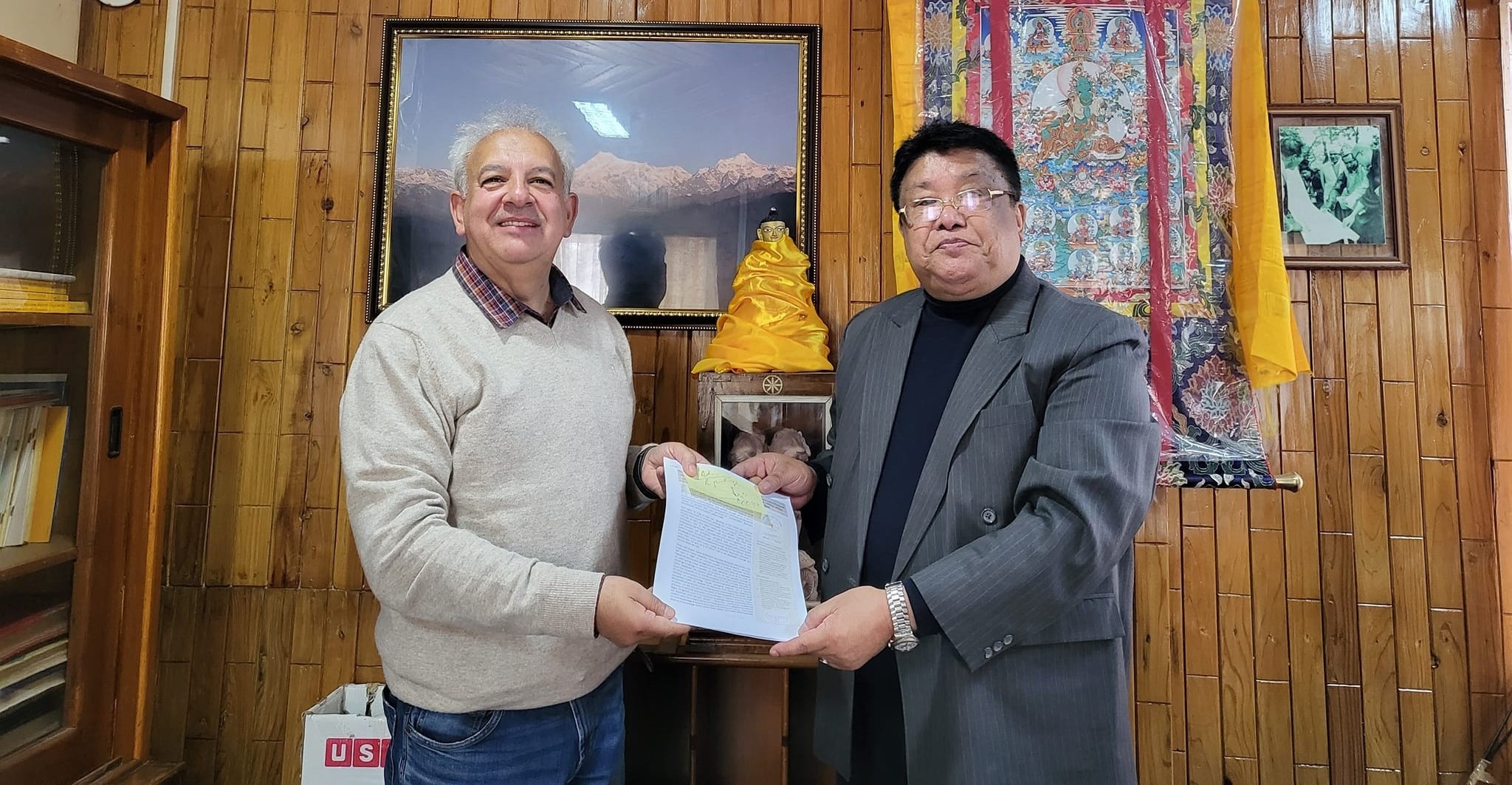
Mr. Sir, P.W. Rinzing, the Secretary National Institute of Tibetology, Sikkim & Smajo Safić Gupta, Prof. Vaidya dr. Menpa of them are living the “DREAM” of learning university degree and meaningfully spreading Tibetan medicine in Europe.
The Naturopath (program from Ayurveda medicine and Sowa-Rigpa medicine) texts can be found around 400 BC. It was established in Europe in the second half of the 19th century. Naturopaths often have classical medical training and work hand in hand with the Western Hippocratic school medicine.
The six (6) fundamental principles of naturopathy are summarized according to the Hippocratic school.
- 1st principle, is the principle of the healing power of nature: the work is based on finding a balance between body, mind and spirit.
- 2nd principle, to discover and cure the cause, and not just the consequences: by determining the true cause, a diagnosis is subsequently made – treatment.
- 3rd principle, do no harm: naturopaths are careful not to ignore old symptoms and thus open the way for new ones.
- 4th principle, advocate holistic treatment: naturopaths observe the person from the emotional, mental and spiritual spheres, not just the physical.
- 5th principle, the naturopath is a teacher: they teach the patient to take responsibility for their own health by teaching them healthy living, proper nutrition and exercise.
- 6th principle) advocates prevention: naturopaths transfer experience and knowledge about health to patients in order to achieve a Happy Life.
Sowa-Rigpa and Naturopathic curricula combine traditional diagnostic techniques, natural plant- or mineral-based medicines, and physical body therapies to restore health. These methods focus on balancing the body’s functional energies through diet, external treatments, and lifestyle changes. At the Institute, Ayur Ashram various therapeutic methods are taught and used within the Sowa-Rigpa and Naturopathic Medicine curriculum:
- Diagnostics
- Acupressure
- Acupuncture
- Hydrotherapy
- Nutrition
- Phytotherapy
- Various Massage Techniques.
Naturopathy views health as a dynamic balance of body, mind, and spirit, using natural self-healing therapies for prevention and care. Conventional medicine focuses primarily on diagnosing and treating specific pathologies using empirical science, pharmaceuticals, and surgery. While naturopathy leans on lifestyle and traditional modalities, conventional medicine relies on standardized clinical evidence. Differences between Naturopathy and Conventional Medicine (health as balance between body, mind, and spirit; the role of natural therapies in prevention and treatment).
Health as a balance – Yin and Yang / core concepts such as Qi, meridians, and the holistic approach in Eastern medicine. The advanced program includes the following,
Diagnostic Methods in Eastern Medicine: Pulse diagnosis, tongue analysis, visual observation, palpation, medical history, body function analysis, secretion analysis, and the five-element diagnostic method are used in Eastern Medicine to evaluate a patient’s overall balance and patterns of disharmony. The practitioner observes the patient’s vitality, facial complexion, body shape, and skin condition. Listening involves observing the quality of the patient’s voice, breathing, and coughing (for example, wheezing or a weak voice). Smelling involves detecting body odors or breath scents that may indicate specific internal imbalances.
The practitioner pulse diagnosis asks detailed questions about the onset of symptoms, chills or fever, pain characteristics, sleep, diet, and emotional state. This is often the longest part of the consultation. Pulse diagnosis involves examining the radial artery at three specific positions on each wrist to assess the flow of energy and the strength of the internal organs. Physical palpation is also used to examine specific body areas, channels, or sensitive points for swelling, tension, or pain.
Body Meridians: The basic principles of acupuncture and acupressure include needle insertion techniques, stimulation of acupuncture points, and the use of acupuncture as a method to balance Qi energy. In Traditional Tibetan Medicine, body meridians and energy pathways are known as rtsa (channels), which serve as the network through which vital energy, or rlung (wind), flows. The subtle body framework is centred around three primary pathways: the central channel (dbu ma), the right active/solar channel (ro ma), and the left passive/lunar channel (rkyang ma).
From these main channels branch thousands of secondary pathways that reach every tissue and organ, functioning as conduits for blood, nutrients, and consciousness. Traditional Tibetan medicine, and the Naturopathy medicine scroll paintings (sman thang) visually represent these channels, vital points, and internal organs to guide treatments such as external therapies and acupuncture.
Energy Therapies and Physical Techniques: Qi Gong and Tai Chi are exercises designed to strengthen and balance Qi energy, integrating energy-based movement practices into daily life. Tibetan exercises in Sowa-Rigpa are therapeutic movement and breathing practices designed to open subtle energy channels, balance internal elements, and support healing of both body and mind. Tibetan rituals of physical exercises designed to increase vitality, flexibility and energy flow, especially Lymph and Blood flow. These practices are deeply integrated into Tibetan medical theory to support organ function and release physical stagnation.
Moxibustion and Cupping / Vacuum Therapy: The techniques involve heating acupuncture points using dried herbs (mugwort) and applying vacuum cups to stimulate blood circulation and release stagnant energy. Special education in vacuum therapies includes Zang-bum (copper cupping), a specialized external therapy used to treat pain, improve circulation, and remove harmful or toxic “winds” and imbalances from the body.
Nutrition in Eastern Medicine and Naturopathic Nutritional Principles: This includes concepts of cold-warm and wet-dry balance, the relationship between diet and disease prevention, and matching food choices to individual energy needs. It also includes the use of superfoods, natural medicine supplements, and the role of spices, herbs, and teas in daily nutrition.
Dietary requirements depend on an individual’s unique mind-body constitution, categorized into the three humors (Nyes-pa): rLung (Wind): Governs movement and nervous system functions; benefits from warm, nourishing, and oily foods; mKhris-pa (Bile): Governs metabolism and heat; benefits from cooler, less spicy, bitter, and astringent foods, and Bad-kan (Phlegm): Governs fluids and structure; benefits from light, warm, dry, pungent, and bitter foods.
Techniques for Working with Body Fluids: This includes knowledge of blood, lymph, and cerebrospinal fluid. Safe handling and cleanup of body fluid spills require proper personal protective equipment (PPE), careful containment, appropriate chemical disinfection, and safe waste disposal to prevent the spread of infectious pathogens. In Sowa-Rigpa, working with body fluids primarily involves diagnostic urine analysis (chu-rtags) and balancing the Pekan (Bad-kan or Phlegm) humour, which governs the body’s fluids, lubrication, and joint stability.
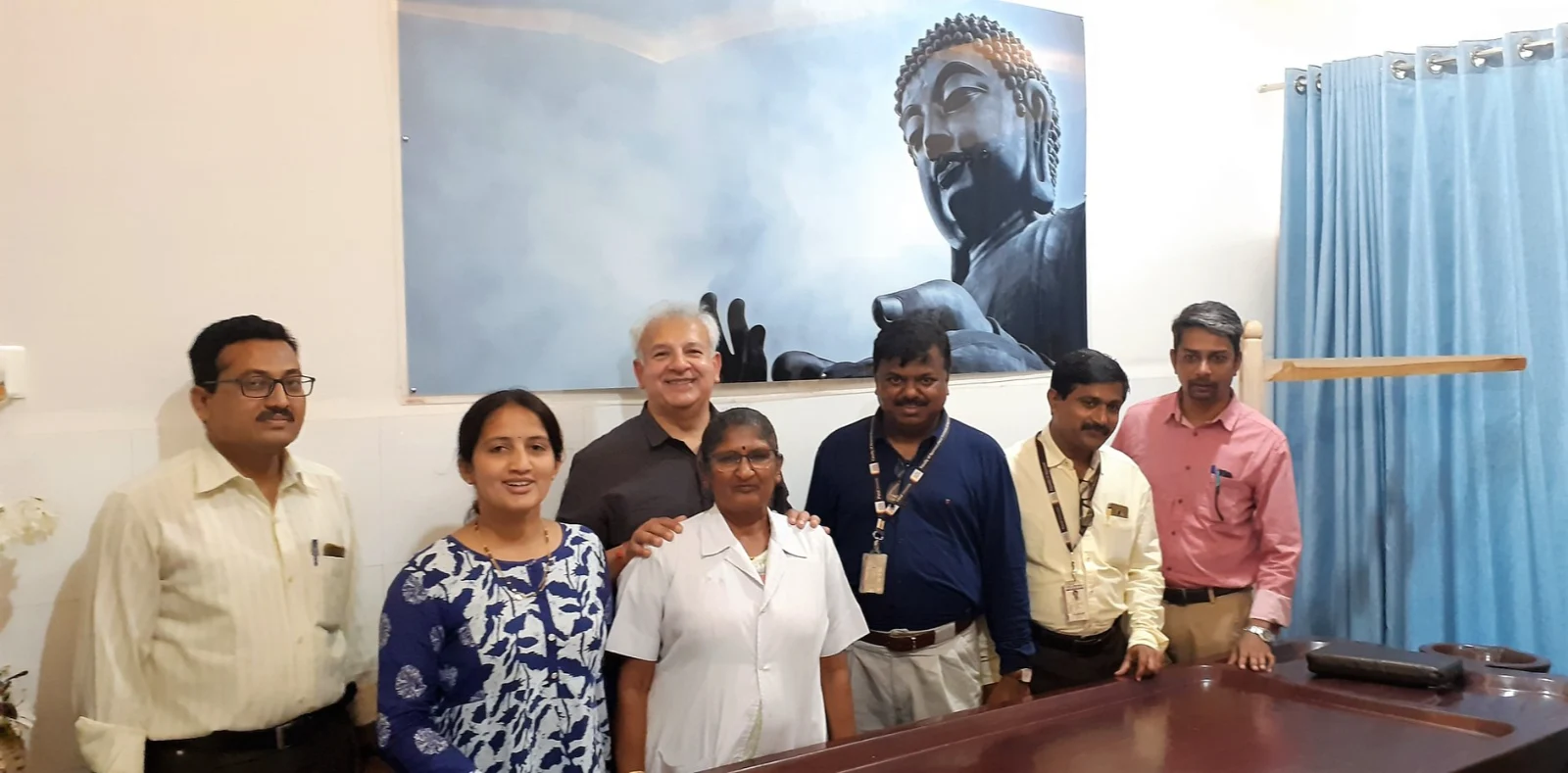
Health stems from the inner harmony of all aspects of our lives – our thoughts, feelings, and actions – which, in themselves, influence the meaningful relationships we nurture with our families, friends, and colleagues.
Signed by: Smajo Safić Gupta, Prof. Vaidya dr. Menpa