Traditional European Medicine
Traditional European Medicine (TEM) is a cumulative medical and healing system spanning from ancient Greece and Rome through medieval monastery traditions to modern European naturopathy. It centers heavily on holistic lifestyle balance, regional herbalism, and the historical humoral doctrine. Education at Institute, Ayur Ashram in Europe, includes institutions and organizations operating in the field of AYUSH, as well as educational institutions recognized by the government of India, including universities, colleges and schools.
It also includes private sector institutions and organizations that are properly licensed and authorized to operate in accordance with the applicable AYUSH regulatory framework. AYUSH is an acronym for traditional and alternative health systems in India: Ayurveda, Yoga and Naturopathy, Unani, Siddha & Sowa-Rigpa and Homeopathy.
In your education includes individual medical practitioners, researchers, academic experts, educators, professional associations, organizations offering complementary educational or wellness activities – your education includes traditional medicine experts from the AYUSH system. The Indian government’s Ministry of Ayush uses an acronym derived from the Sanskrit word Ayus (meaning “long life” or “longevity”).
For a higher standard of your learning and practical of Traditional, Complementary, and Integrative Medicine (TCIM) implementations, we also include companies that offer products, services or solutions related to operation in TCIM. The education at Institute, Ayur Ashram programs are intended for both individuals seeking personal growth and practitioners who wish to advance their therapeutic or medical background:
- Osteopaths and Ayurvedic therapist & Masseuse and Masseur
- Acupuncturists & Naturopaths
- Yoga instructors & Wellness coaches
- Nutritionists & Diet specialists
- Bach flower therapists & Homeopaths
- Astrologers & Energy prana therapists
- Art & Music therapists
- Aromatherapists & Therapists of forest medicine or forest wellness programs
- Medical staff nurse, brother of Western medicine & Doctors, Dentists, Veterinarians, Psychologists…
The possibility of education is also available, regardless of the personal educational status of those who wish to do so and accept the path of education with the aim of contributing to helping people in their working environment. Under professional guidance, students at the Institute, Ayur Ashram, gain knowledge and practical skills in TCIM that they can apply in their communities, institutions, and countries across Europe.
The wider dissemination of TCIM ideas results in research to a large and diverse group of people and encourages the development of sustainable international partnerships in education, health and welfare. As part of a long-term cooperation strategy, educational programs of TCIM may also be introduced and offered to regulatory professional public institutions or a program for their providers of therapeutic or wellness programs:
- Medical secondary and higher schools
- Tourist secondary and higher schools
- Health training centers, wellness schools
- Thermal and rehabilitation facilities / institutions
- Experts involved in health tourism…
The preferred educational model in Institute, Ayur Ashram is for the program to be initially delivered within Europe. Upon successful completion of the European phase, participants may continue their studies, practical training, or advanced learning opportunities in India (Panchakarma program, and for doctoral studies B.AM.S.). By mutual agreement, we can also offer qualified students short specialized or advanced courses, provided they demonstrate practical knowledge and skills – backed by academic knowledge and professional experience – and possess strong recommendations as well as a proven track record of working in Europe.
Special welcome, especially people and organizations that invest in their vision of both professional and business operations in their organization, country, environment. Welcomes individuals and institutions seeking to establish or grow a functional, integrative health center focused on treating chronic disease through a combination of conventional, alternative, and lifestyle medicine.
Visionary leaders and mission-driven organizations reshape industries and They prioritize sustainable growth and innovation over quick, short-term profits. They invest not just inside their company, but in the local community, workforce education, and environmental health. A special welcome Healthcare training centers, Wellness organizations, Rehabilitation facilities, and Professionals involved in Health tourism.
Global Traditional Medicine Strategy 2025–2034
Traditional medicine has a rich, long-standing history. It includes knowledge, skills, and practices developed over generations within various cultures – whether based on empirical evidence or spiritual belief – for maintaining health and treating physical and mental illness.
The terms “complementary medicine” and “alternative medicine” refer to a wide range of practices that are not part of a country’s traditional or mainstream (conventional) healthcare system. In some nations, these are interchangeably used with traditional and conventional medicine, depending on integration levels.
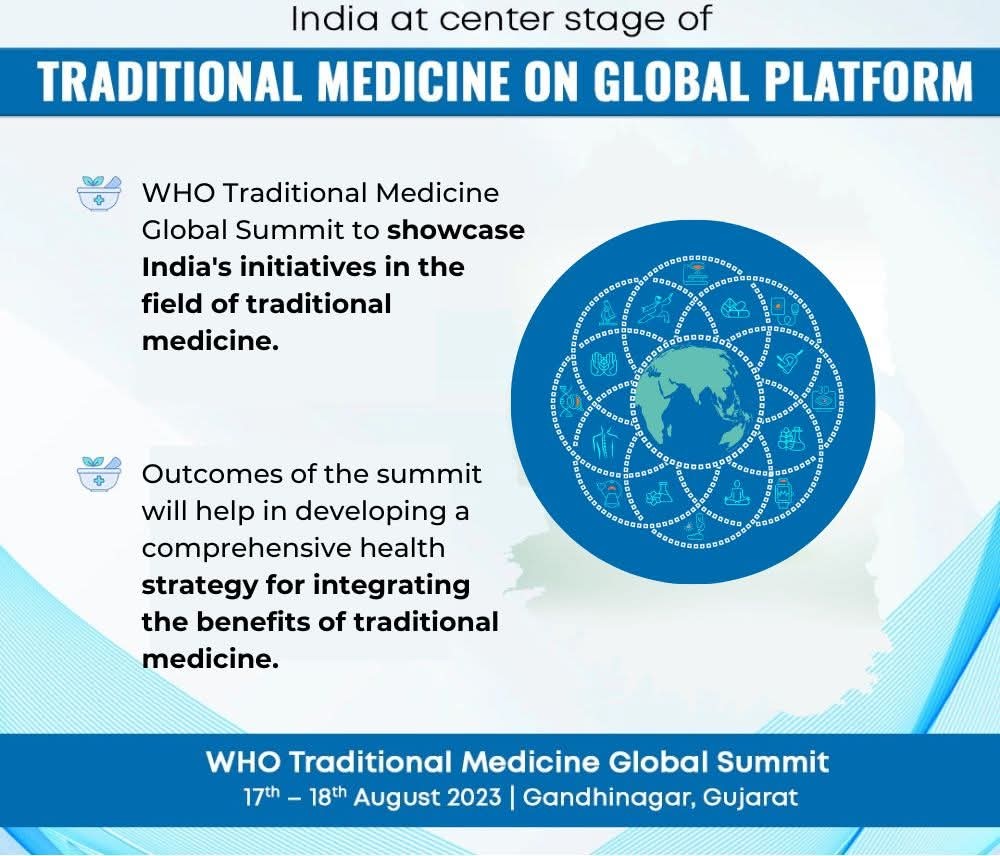
The World Health Organization (WHO) Traditional Medicine Strategy 2025–2034 (EB156/16 – A78/4 Add.1) envisions a world in which everyone has universal access to people-centered Traditional, Complementary, and Integrative Medicine (TCIM), contributing to the highest attainable standard of health and well-being. This strategy encourages the integration of TCIM into national healthcare systems in a way that is evidence-based, culturally respectful, and aligned with the Sustainable Development Goals.
AYUSH (Traditional medicine) and WHO (Western Medicine) share a joint vision for the professional mission of TCIM, with the aim to improve access to high-quality and affordable medical education, promote universal healthcare with a strong community health component. The common purpose is maintain comprehensive medical records and registries, implement ethical standards in medical services. The joint project develop flexible education systems that respond to changing needs, and ensure accessible complaint mechanisms alongside accountable governance.
The strategy also emphasizes the importance of protecting traditional knowledge and promoting the responsible use of natural resources. WHO will support Member States through technical assistance, development of standards, and coordinated implementation and monitoring. Additionally, the National Commission for Indian System of Medicine (NCISM) is working to improve access to quality and affordable education and services in TCIM.
Through continuous collaboration between WHO and AYUSH, our Institute, Ayur Ashram goal since 1999 in Europe the same and quality education is also to provide in the field of Traditional medicine. Build a flexible and adaptive medical education system that responds to evolving necessary for people in the environment in Europe.
Through learning and action by both the individual and the organization in TCIM it is necessary establish professional standards for TCIM providers within an Health insurance society – a global Health insurance company – for the joint provision of therapeutic services accessible, and to the public.
There is an urgent need for professional and legal harmonization of herbal natural products within the European Union (raw herbs and herbal materials; herbal preparations and finished products). As part of the TCIM Europe initiative, You are a valuable asset in shaping a Healthier future.
The strategy aims to promote the integration of TCIM into health systems in ways that are evidence-based, culturally respectful, and aligned with sustainable development. If you’d like to collaborate or discuss this further, please let know: info@ayur-ashram.in.

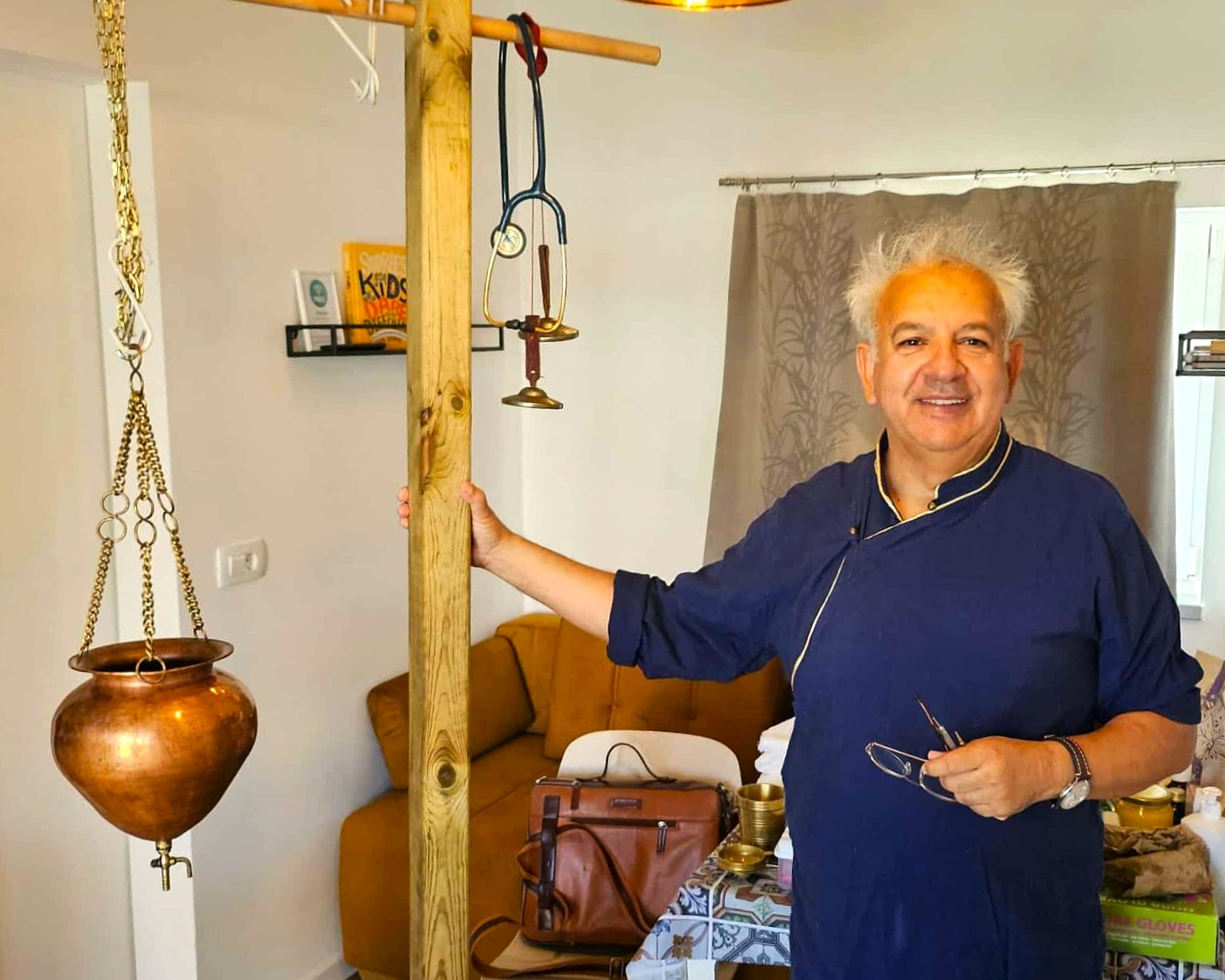
Smajo Safić Gupta, Prof. Vaidya dr. Menpa
My life’s mission is to connect Hippocrates, Ayurveda, and Sowa-Rigpa medicine.

My mission is to organize an International Conference on Traditional Medicine and Medicinal Plants, with the aim of addressing the “integration gap” in Europe by improving awareness, communication, and participation between practitioners of Western medicine, including WHO-affiliated professionals, and experts in TCIM. Most importantly, traditional Asian medicine practitioners who offer TCIM in Europe know and understand that people in Europe there live in a natural environment with the four ecological seasons (life biorhythm, food, culture, socialization…). TCIM draws upon cultural knowledge passed down through generations – educational healing rituals, diagnostic and therapeutic procedures, and the use of natural remedies with the shifts of the six ecological seasons recognized by specific indigenous and traditional calendar systems.
Another important goal is to raise awareness of the professional relationship between TCIM and Conventional or biomedical medicine (WHO). This is particularly important for people who use TCIM and may feel hesitant or anxious – whether due to social anxiety, fear of speaking, or other personal concerns – to communicate openly with Western-trained healthcare professionals about their use of traditional and complementary approaches to health and well-being. The ultimate aim of both the Institute and Ayur Ashram is support to the shared goals of WHO and AYUSH, with particular emphasis on: encouraging respectful collaboration and communication between diverse medical systems; and creating a safe, inclusive, and emotionally supportive environment in which all participants, regardless of their background, feel welcome, heard, and respected.
Vedic psychology and Ayurvedic psychotherapy (Sattva Vajaya Chikitsa) are increasingly recognized in Europe as a valuable complementary approach to Western mental health, as they offer a holistic view of the human mind, body, and spirit. While Western psychology is traditionally based on external observation and the alleviation of symptoms, the Vedic tradition stems from internal observation and an understanding of consciousness as a whole.
Vedic psychology helps face difficult challenges by changing your perspective on the mind, balancing your fundamental energies (Gunas), and practicing deep detachment (Vairagya). It teaches you that true peace comes from observing your thoughts rather than fighting them. Vedic psychology as an educational, and complementary approach program at the Institute, Ayur Ashram, under the guidance of mentor Prof. dr. Smajo Safić Gupta, is designed to introduce participants to traditional approaches to understanding consciousness, mind, behaviour identity, lifestyle, and holistic well-being.
The program is intended for individuals interested in personal development and preventive approaches to well-being health, (the patients of Dr. Gupta’s therapy program Sushiveda) as well as for those seeking education in traditional and complementary systems and their possible application within their professional or community environment. Education in Vedic psychology at the Ayur Ashram Institute may provide an introduction to areas such as:
- Traditional psychological and philosophical concepts
- Self-observation and introspection
- Meditation and contemplative practices
- Understanding the Guna’s
- Exploration of mental and behavioural patterns
- Traditional approaches to lifestyle and well-being
- Counselling and educational applications within an appropriate professional scope
- Research and further study of traditional systems of knowledge.
The education in Vedic psychology does not, by itself, confer a license to practice regulated EU medical WHO framework psychological, psychiatric, or medical professions in Europe. Continuing education and self-modelling after receiving a diploma show that a person wants to grow in their job. The builds new skills and adapts to changes in their field.
Quality of life is influenced by numerous psychological, social, behavioural, environmental, and physical factors. Psychological excessive stress and life satisfaction are important dimensions of overall well-being. The traditional framework education of the Guna’s (qualities human of nature / behavioural identity) offers one philosophical model for exploring how different mental tendencies may influence perception, motivation, emotional responses, behaviour, and lifestyle.
Within this framework, educational practices may encourage individuals to recognize patterns associated with Tamas (inertia) and Rajas Guna’s (dynamism) and cultivate qualities traditionally associated with Sattva Guna’s (harmony), such as clarity, balance, awareness, compassion, discipline, and inner stability. The purpose of such education is to support self-awareness and personal development rather than to assign fixed psychological labels to individuals. The Guna’s are traditionally understood as dynamic qualities that can vary according to circumstances, habits, environment, lifestyle, and conscious practice.
Mental health and Contemporary public health
Mental health is an essential component of overall well-being. According to the World Health Organization (WHO), mental health is more than the absence of mental disorders; it includes a state of well-being that enables people to cope with life’s stresses, recognize and develop their abilities, learn and work effectively, and contribute to their communities. Mental health is influenced by a complex interaction of biological, psychological, social, environmental, and economic factors.
For this reason, traditional and complementary approaches to people’s well-being in Europe (the West) can be explored as part of broader educational and preventive therapeutic frameworks. The while people experiencing severe psychological distress or mental health problems should be encouraged to seek appropriate qualified mental health care and support – in state-run public psychiatric hospitals, specialist residential units and community mental health centres – which have direct legal and operational responsibility for mental health care in the county.
Vedic psychology provides a philosophical and contemplative framework for exploring consciousness, the mind, identity, behaviour, and the deeper dimensions of human experience. Through concepts such as Atman, Purusha, Prakriti, Manas, Buddhi, Ahamkara, Citta, Samskaras, Karma, Dharma, and the Guna’s, it offers a traditional vocabulary for understanding the relationship between inner experience and human behaviour.
Its educational approach emphasizes self-observation, awareness, meditation, ethical development, breath practices, and the cultivation of inner balance. It is an introspective approach to understanding the mind and consciousness, with particular attention to the relationship between the individual self, mental processes, behaviour, and the wider universe. Within education concepts in knowledge from as the Guna’s provide a framework for understanding human experience.
The Institute, Ayur Ashram under the leadership of Prof. dr. Smajo Safić Gupta presents these traditional teachings as part of an educational and complementary approach to personal development and holistic health well-being, while recognizing the importance of contemporary scientific psychology and qualified medical and mental-health care where clinically indicated.
Vedic psychology and Classical Western psychology
Vedic psychology and contemporary Western psychology arise from different historical and philosophical traditions. Contemporary psychology is primarily an empirical scientific discipline that studies behaviour, cognition, emotion, development, and mental processes through systematic observation, research, clinical assessment, and evidence-based methods.
Depending on the field, contemporary psychological practice may include clinical interviews, psychological assessment, psychotherapy, behavioural interventions, cognitive approaches, statistical research, and other scientifically evaluated methods. Vedic psychology, by contrast, originates from ancient Eastern philosophical and contemplative traditions. It places greater emphasis on consciousness, self-knowledge, introspection, spiritual development, and the relationship between the individual self and universal reality.
The two approaches therefore differ in their philosophical foundations and methodologies, while certain practices derived from contemplative traditions may also be studied within contemporary psychological research. Vedic psychology approaches mental well-being through the development of awareness, self-understanding, emotional balance, ethical living, and healthy relationships with oneself and the surrounding environment.
Its educational and therapeutic framework may include:
- Meditation
- Self-observation
- Self-inquiry
- Breath awareness and traditional breathing practices
- Understanding the Gunas
- Exploration of Samskaras and behavioural patterns
- Development of emotional awareness
- Cultivation of healthy daily routines
- Practices aimed at strengthening attention and inner stability.
These approaches can be presented as complementary methods for promoting well-being and personal development. They should not be presented as a replacement for professional psychological or psychiatric assessment and treatment when such care is indicated. Especially when people, patients receiving therapy from a clinical medicine specialist from psychiatry, and are taking medication for severe depression!
In Vedic psychology, learning is oriented toward Atma-jnana (self-knowledge) and understanding consciousness as the foundation of identity
Vedic psychology refers to ancient systems of philosophical, contemplative, and spiritual thought originating primarily in the Indian tradition and rooted in the Vedas, Upanishads, Yoga, and related philosophical schools.
The Sanskrit word Veda means “knowledge.” Vedic psychology explores the nature of reality, consciousness, the mind, the self, human experience, and the path toward inner freedom and self-realization. In this context, Vedic psychology seeks to address the deeper causes of psychological suffering through self-observation, ethical development, meditation, self-inquiry, breath practices, and the cultivation of awareness. Its ultimate philosophical aim is not merely symptom reduction, but the development of self-knowledge, inner balance, and, traditionally, liberation (Moksha).
Vedic psychology views a human as a mix of a spiritual soul and a material mind
The word psychology originates from the Greek words psyche (soul or life principle) and logos (study or discourse). In Vedic philosophical traditions, the concept of consciousness and the self is explored through concepts such as Atman (the eternal soul) and Purusha. According to Samkhya philosophy, reality can be understood through the distinction between Purusha, pure consciousness, and Prakriti, material nature. In the Bhagavad Gita, a related distinction is expressed through the concepts of Kshetra (the field) and Kshetrajna (the knower of the field).
The human experience therefore involves an interaction between consciousness and the material and psychological dimensions of existence. The body, senses, mind, intellect, and ego are understood as aspects of the field of experience, while consciousness is regarded as that which illuminates and witnesses experience.
Vedic psychology describes several interconnected functions of the inner instrument (Antahkarana – the “inner instrument” or “internal organ”). Our perception of the world is therefore influenced not only by present circumstances but also by previous experiences and deeply established mental patterns. Through self-observation and contemplative practices, individuals may become more aware of these patterns and develop greater freedom in responding to them.
- Manas – the processing aspect of the mind, associated with sensory information, likes, dislikes, doubts, and everyday mental fluctuations.
- Buddhi – the discriminative intellect, associated with understanding, discernment, decision-making, and the ability to distinguish between beneficial and harmful choices.
- Ahamkara – the sense of “I-ness,” individuality, identity, and personal ownership of thoughts and actions.
- Citta – the deeper field of mental impressions and memory, traditionally understood as the storehouse of experiences and Samskaras.
- Samskaras are subtle mental impressions formed through experiences, thoughts, emotions, and actions. According to Vedic philosophy, these impressions influence perception, habits, emotional responses, and patterns of behaviour.
Prana is traditionally described as the vital life force associated with the functioning of life and the body. In In the Yogic and Ayurvedic therapeutic traditions, various forms of Prana are described as supporting physiological and psychological functions. Within the Vedic philosophical framework, consciousness is regarded as fundamental, while the mind and body are understood as instruments through which conscious experience is expressed.
The Guna’s are three fundamental qualities of Prakriti described in Vedic literature: Sattva, Rajas, and Tamas. They are used as a framework for understanding tendencies in mental states, behaviour, motivation, and perception.
Sattva Guna is associated with clarity, harmony, balance, knowledge, compassion, truthfulness, self-discipline, and inner peace. A predominantly Sattvic state is traditionally associated with:
- Mental clarity
- Emotional balance
- Calmness and stability
- Compassion and selfless service
- Greater ability to concentrate
- Discernment and self-awareness.
Rajas Guna is associated with activity, movement, desire, ambition, passion, and change. A predominantly Rajasic state may be associated with:
- Restlessness
- Strong desires and attachment
- Excessive activity
- Ambition and competitiveness
- Impatience
- Difficulty maintaining inner calm.
Tamas Guna is associated with inertia, heaviness, ignorance, confusion, resistance to change, and reduced mental activity. A predominantly Tamasic state may be associated with:
- Lethargy
- Apathy
- Mental rigidity
- Lack of motivation
- Confusion
- Feelings of being psychologically “stuck.”
Within the framework of Vedic psychology, practices such as regular routines, appropriate nutrition, physical activity, meditation, self-observation, and adequate rest may be used to cultivate greater balance and gradually support a movement from states dominated by Tamas toward Rajas and ultimately toward Sattva. Rajas can also express itself positively through enthusiasm, creativity, determination, productivity, and constructive action.
The perfect balance of mind, body and soul is considered as complete health in Ayurveda medicine
In Ayurveda medicine, the Guna’s are traditionally associated with the psychological dimensions of human experience, while the three Doshas – Sattva (Vata) – Rajas (Pitta) – Tamas (Kapha) – describe fundamental principles associated with physiological functioning. The Guna’s and Doshas therefore represent different conceptual frameworks. The Guna’s are primarily used to describe qualities of the mind and consciousness, while the Doshas are used to understand physiological constitution and function.
From the Ayurvedic medicine Gune perspective, mental and physical well-being are interconnected. This is especially evident in Ayurvedic medicine therapies – psychological excessive stress, lifestyle, diet, sleep, environment, behaviour, and emotional patterns may all influence a person’s overall sense of well-being.
- Atman refers, within several Vedic and Upanishadic traditions, to the true or deepest Self. In Advaita Vedanta, Atman is ultimately understood as non-different from Brahman (universal consciousness), the ultimate reality.
- Purusha is a central concept in Samkhya philosophy and refers to pure consciousness or the witnessing principle, distinguished from Prakriti, material nature.
- Prakriti refers to primordial material nature and the source of the physical and psychological processes described within Samkhya philosophy.
- Manas is associated with sensory processing, mental activity, preferences, doubts, and everyday fluctuations of thought.
- Buddhi represents the discriminative and decision-making faculty, associated with discernment, understanding, and the capacity to recognize what is appropriate or beneficial.
- Ahamkara refers to the sense of individuality or “I-ness,” through which experiences and actions become associated with a personal identity.
- Citta refers to the field of mental activity, memory, impressions, and psychological patterns. In yogic philosophy, the fluctuations of the mind are described as Citta Vrittis.
- Dharma refers to duty, ethical responsibility, right conduct, and the appropriate way of living in harmony with one’s nature and circumstances.
- Karma refers to the principle of action and consequence. In traditional Indian philosophies, karma is also associated with the ongoing cycle of action, consequence, birth, and rebirth.
- Moksha means liberation or freedom. In many Indian philosophical traditions, it represents liberation from ignorance, attachment, and the cycle of rebirth through self-realization.
- Brahman refers, particularly in the Upanishadic and Vedantic traditions, to ultimate reality – infinite, eternal, and beyond ordinary conceptual limitations.
Vedic and classical Eastern philosophical traditions developed several major systems of thought, traditionally known as the six orthodox (Astika) schools for the development of Vedic psychology and into the very understanding of the existence of identity in life.
- Samkhya – analyses reality through the distinction between consciousness (Purusha) and material nature (Prakriti).
- Yoga – emphasizes disciplined practice, meditation, ethical development, and the stilling of mental fluctuations.
- Nyaya – focuses on logic, reasoning, knowledge, and valid means of knowing.
- Vaisheshika – analyses the nature and categories of reality, including matter and its constituent principles.
- Mimamsa – emphasizes Vedic interpretation, ritual, duty, and Dharma.
- Vedanta – explores the Upanishadic teachings concerning Brahman, Atman, consciousness, and ultimate reality.
In the tapestry of human existence, where the threads of the mind, body, and soul intertwine, a Vedic psychologist emerges as a weaver of ancient wisdom and contemporary knowledge. This unique breed of mental health practitioners seamlessly integrates the profound insights of ancient scriptures with the evidence-based practices of modern psychology, creating a holistic approach that honours the complexity of the human experience.
By bridging the gap between the timeless truths of Vedic knowledge and the scientific rigor of contemporary psychology, Vedic psychologists unlock new avenues for mental well-being, offering a path that resonates with the deepest essence of our being.
By immersing themselves in these foundational principles, Vedic psychologists develop a perspective that acknowledges the interconnectedness of all aspects of life, seeing the individual as a microcosm of the universal macrocosm. Vedic psychology and Jyotish (spiritual astrology) an integral part of a Vedic psychologist’s knowledge may be presented as complementary elements within a broader therapy programs and spiritual framework focused on self-awareness holistic guidance and find deep balance in life.
The Synthesis of Vedic Knowledge and Modern Psychology
Vedic counselling, Graduate practitioner takes a holistic approach to mental health that addresses the root causes of imbalance rather than just the symptoms. The importance of Self-care, mindfulness, and spiritual practice in promoting mental & emotional well-Being. Vedic Counselling can be especially helpful for individuals who are interested in a more natural & holistic approach to mental health and who’re open to incorporating lifestyle changes.
Vedic counselling & Western medicine counselling are two different approaches to mental health support that have their own unique strengths & limitations. While Western medicine counselling focuses on evidence-based therapies & medication management, Vedic counselling draws on ancient Eastern wisdom & holistic healing practices to promote mental & emotional well-being.